Raksha
A film composer is responsible for bringing the emotional heart of your story to life through music, translating your vision into melodies and harmonies that resonate with the viewer. But how do you choose a film composer who will understand your project’s unique needs and deliver a memorable score within your budget and timeline?
In this guide, we’ll walk you through the essential steps on how to choose a film composer while managing both your project’s budget and timeline. From understanding composer costs to structuring your timeline for success, we’ll help you navigate these key considerations so you can make the best decision for your film.
Why the Right Film Composer is Essential
A talented composer tailors the music to fit the tone, characters, and narrative of the story. For example, John Williams’ score for Star Wars is not just iconic for its grandeur, but because it perfectly matches the epic nature of the saga. Similarly, Hans Zimmer’s work on Inception uses intricate, deep compositions to reflect the layered and complex world of dreams. These scores became integral to the movies’ success, enhancing their themes and immersing the audience in their worlds.
When you choose a film composer who understands your vision, you’re not just adding a soundtrack to your project—you’re giving your audience a deeper emotional connection to the story. The right composer can elevate the film’s impact, ensuring that every moment resonates long after the credits roll.
Key Factors to Consider When Choosing a Film Composer
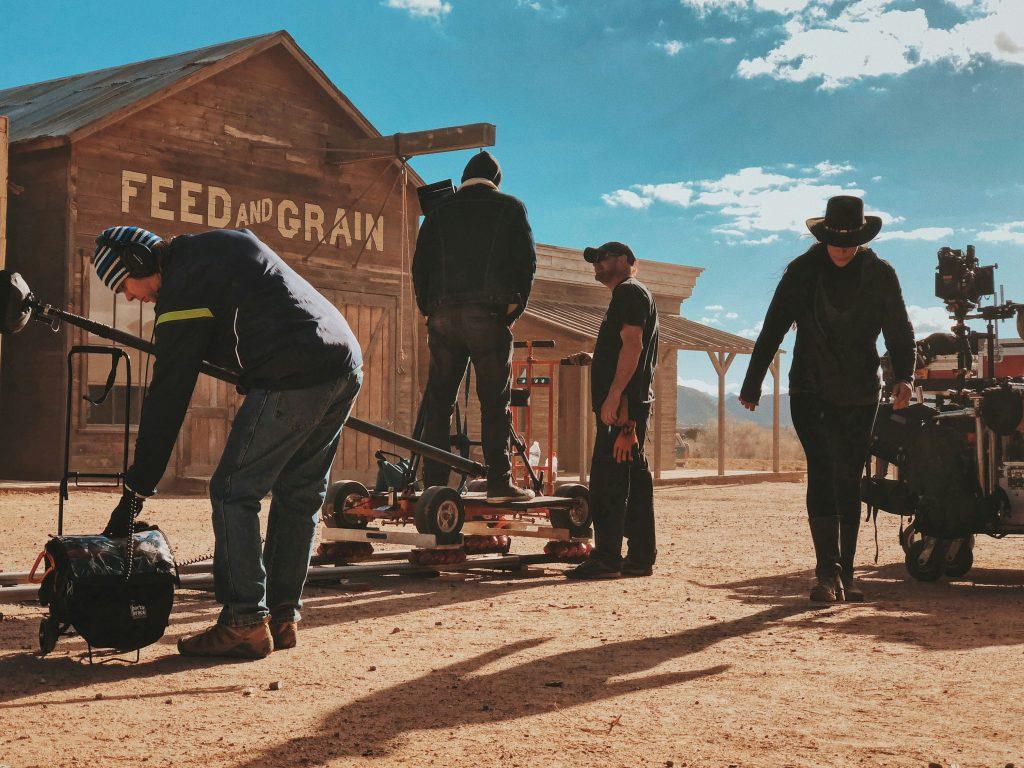
When you choose a film composer, there are several key factors to weigh in order to find the right fit for your project. Selecting a composer who matches both your artistic vision and practical needs is essential to creating a successful collaboration. Below are the crucial considerations to keep in mind.
Experience & Portfolio
A composer’s past work can provide valuable insight into their capabilities and style. It’s important to review their portfolio to understand their range and versatility. For instance, if you’re working on a suspense thriller, you’ll want a composer who can create tension-building, atmospheric music. Conversely, for a romantic drama, look for a composer with experience creating emotive, character-driven scores. Ask potential composers about their experience with projects similar to yours, and whether they have experience in your genre or with the scope of your project. A well-rounded portfolio is a good indicator of adaptability and talent.
Collaboration Skills
Film composition is a highly collaborative process. When you choose a film composer, you’ll need someone who can work seamlessly with the director, editors, and other members of your team. The composer’s ability to communicate and take feedback is key to translating your vision into music. A composer who is open to discussion and able to offer creative solutions will ensure that the score enhances your film rather than clashing with it. Clear communication and a collaborative mindset are vital to ensuring that your creative vision comes to life through the score.
Technical Expertise
The technical skills of a composer are just as important as their creative abilities. A skilled composer should have experience in orchestration, whether that involves writing for a live orchestra or crafting complex arrangements using digital tools. If your film requires post-production work or sound design, it’s essential to choose a film composer who understands these aspects of the production process. Their ability to handle the technical demands of music composition, from the recording process to sound mixing, can make a big difference in the final quality of your film’s score.
Budget Planning for Your Film Score
When you choose a film composer, it’s important to understand how to plan for the costs associated with bringing their music to life. Composer fees can vary significantly depending on several factors, such as their experience, the scope of the project, and the resources required to produce the score.
Breaking Down Composer Costs
The cost of hiring a composer largely depends on their level of experience and the complexity of your project. Established composers with a proven track record may charge higher fees due to their expertise and reputation, while emerging composers might offer more competitive rates. The scope of work also plays a role in determining pricing. For instance, a composer’s fee for a short film may be much lower than that of a feature-length film, simply because a longer project typically requires more compositions and time. Additionally, the genre and the number of musical cues needed can influence pricing, as more elaborate compositions—such as orchestral arrangements—will naturally increase costs.
Budgeting for Additional Resources
Another important aspect of budget planning is accounting for the additional resources that may be needed to bring the score to life. Live musicians, studio time, and specialized recording equipment all add to the cost of producing a film score. If you’re planning to work with a full orchestra or incorporate complex sound design, these resources can significantly increase your budget. However, if you’re working with a limited budget, digital instruments and software can provide a more cost-effective option while still delivering a high-quality score. It’s crucial to balance your desire for quality with the financial constraints of your project. Consider discussing these limitations with the composer so they can help suggest solutions that meet your budget while maintaining the integrity of the score.
Negotiating with Composers
When it comes to negotiating with composers, transparency is key. Discuss your budget upfront and see if there’s room for flexibility on their rates. Many composers are willing to work within a filmmaker’s financial constraints, especially if the project offers creative opportunities or the possibility of future collaborations. You could also offer incentives such as credit in the film’s marketing materials or the chance for the composer to build their portfolio. Additionally, outlining clear payment terms and schedules can ensure that both parties are aligned, reducing the risk of misunderstandings and ensuring the project stays on track. By being upfront and flexible, you can find a way to work with a composer that fits within your budget while still delivering a fantastic score.
Project Timeline Management

When you choose a film composer, it’s crucial to have a clear project timeline to ensure the score aligns with your film’s production schedule. A well-organized timeline helps prevent delays and keeps everything on track from start to finish.
Planning the Composition Process
The typical timeline for creating a film score includes initial meetings, drafts, revisions, and final delivery. Initially, the composer needs to meet with the director to understand the film’s tone and vision. Once these discussions are complete, the composer begins creating drafts, followed by revisions based on feedback. The final phase involves recording, mixing, and delivering the completed score. This process can take weeks to months, depending on the complexity of the score, so it’s important to integrate this timeline with your production milestones.
Key Milestones to Include
Key milestones to consider are the initial concept meeting, where the composer learns about the project’s themes, followed by drafts and feedback sessions. Next, set aside time for revisions, as well as for final recording and mixing. This ensures the composer has enough time to perfect the score before delivery.
Avoiding Delays
To avoid delays, establish clear expectations upfront. Make sure to communicate deadlines and allow time for unforeseen issues, such as last-minute changes. Regular check-ins with the composer can help keep the timeline on track. By setting realistic expectations and maintaining open communication, you’ll ensure that your film’s score is delivered on time and integrates smoothly with the production.
How to Find and Choose a Film Composer
When you’re ready to choose a film composer, the next step is knowing where to look for the right talent. Online marketplaces, such as Twine, offer access to a wide pool of experienced freelance composers, while composer directories and professional networks like Score It or local film organizations can help you connect with established professionals. You can also leverage social media platforms like LinkedIn or Instagram to discover emerging talent, or attend industry events like film festivals and networking mixers to meet composers in person.
Once you’ve gathered a list of potential composers, it’s time to evaluate their fit for your project. Review their portfolios to assess their experience and the diversity of their work. Pay attention to their ability to adapt to different styles and genres. A brief interview can help you understand their approach to composition and gauge their creative vision. Look for a composer who not only aligns with the emotional tone of your film but also shares your artistic direction.
Finally, when you’ve found the right composer, consider the balance between cost, timeline, and artistic alignment. Ensure that you’re comfortable with their proposed fees and schedule, and draft a clear contract that outlines the project’s terms. This will help set expectations, mitigate potential misunderstandings, and establish a positive, professional working relationship throughout the production process.
Final Thoughts
Choosing the right film composer is crucial for the success of your project. The music is more than just background noise; it’s the emotional pulse that connects the audience to your story. By carefully planning your budget, managing your project timeline, and collaborating with a composer whose vision aligns with your own, you can ensure your film’s score adds the right depth and atmosphere.
Remember that finding a composer who understands your creative direction and can deliver within your budget is achievable. With platforms like Twine, the process of choosing a film composer becomes easier and more accessible, providing you with the flexibility to find the perfect fit for your project.
Investing time and resources into selecting the right composer will pay off in spades, giving your film the emotional resonance and cinematic impact it deserves. Start your search today, and take the first step toward creating a score that will elevate your film to new heights.


 Twine
Twine