Vicky
VickyCreating a project brief for an AI developer can feel like a daunting task, but it doesn’t have to be. A well-crafted brief not only sets the stage for your project but also ensures that everyone involved is on the same page. Whether you’re a startup looking to integrate AI into your product or a marketer aiming to enhance your campaigns, this guide will walk you through the essential elements of a project brief that resonates with AI developers.
Understanding the Purpose of a Project Brief
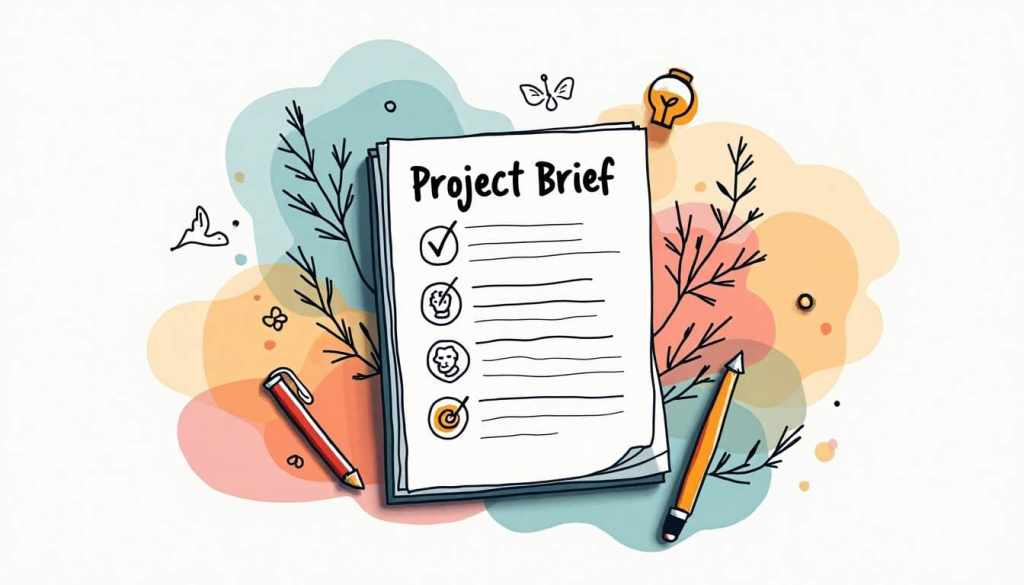
Before diving into the specifics, it’s crucial to understand why a project brief is important. A project brief serves as a roadmap for your project, outlining the objectives, scope, and deliverables. It helps to:
- Clarify your vision and goals.
- Align the team on expectations.
- Provide a reference point throughout the project lifecycle.
Why AI Developers Need a Clear Brief
AI developers thrive on clarity. A well-defined project brief helps them understand the technical requirements and the business context. This clarity can lead to more innovative solutions and a smoother development process. Remember, the more precise you are, the better the outcome.
Key Components of a Project Brief
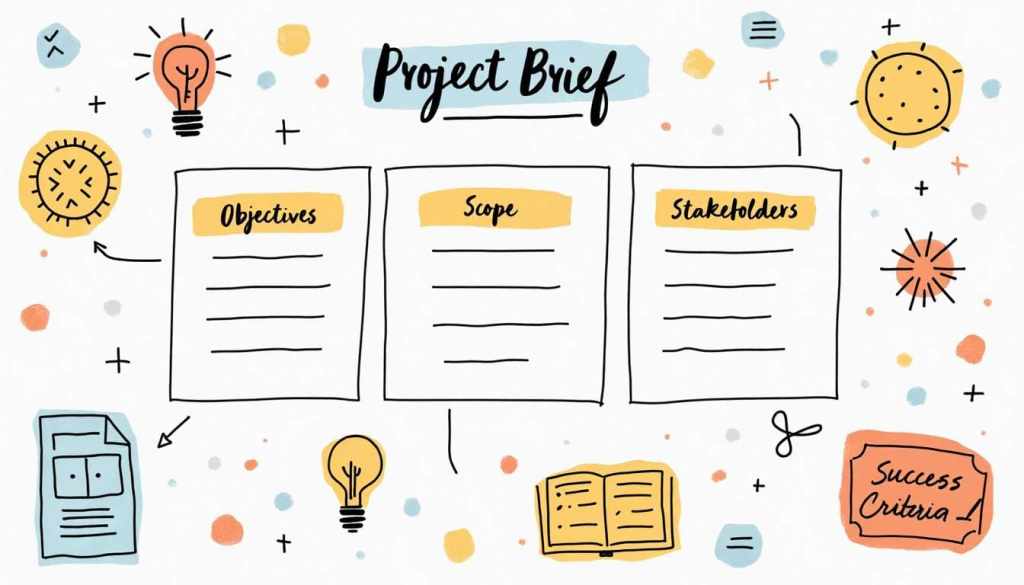
Now that we’ve established the importance of a project brief, let’s break down the key components you should include:
1. Project Overview
Start with a concise overview of the project. This section should answer the following questions:
- What is the project about?
- What problem does it solve?
- Who is the target audience?
For example, if you’re developing an AI-driven customer support chatbot, your overview might highlight how it will enhance user experience and reduce response times.
2. Objectives and Goals
Clearly outline the objectives of your project. What do you hope to achieve? Be specific and measurable. For instance:
- Reduce customer support response time by 50% within six months.
- Increase user engagement by 30% through personalized interactions.
3. Scope of Work
Define the scope of the project. This includes the features and functionalities you want the AI developer to focus on. Be clear about what is included and what is not. This helps prevent scope creep later on.
4. Technical Requirements
AI projects often involve specific technical requirements. Include details such as:
- Preferred programming languages (e.g., Python, Java).
- Frameworks and libraries (e.g., TensorFlow, PyTorch).
- Data sources and formats.
Providing this information upfront can save time and ensure that the developer is equipped to meet your needs.
5. Timeline and Milestones
Establish a timeline for the project, including key milestones. This helps keep the project on track and allows for regular check-ins. Consider using a Gantt chart for visual representation.
6. Budget Considerations
Be transparent about your budget. This doesn’t mean you need to disclose your entire financial plan, but providing a range can help the developer tailor their approach to fit your resources.
Best Practices for Writing Your Project Brief
Now that you know what to include, let’s discuss some best practices for writing your project brief:
1. Be Clear and Concise
Avoid jargon and overly technical language. Your brief should be understandable to someone who may not have a technical background. Use simple language and clear examples.
2. Use Visuals Where Possible
Incorporate diagrams, flowcharts, or mockups to illustrate your ideas. Visuals can often convey complex information more effectively than text alone.
3. Encourage Feedback
Once you’ve drafted your brief, share it with your team and the AI developer for feedback. This collaborative approach can help identify any gaps or misunderstandings early on.
Final Thoughts
Writing a project brief for an AI developer doesn’t have to be overwhelming. By following these guidelines and focusing on clarity, you can create a document that not only communicates your vision but also fosters collaboration and innovation. Remember, a well-prepared brief is the first step toward a successful project.
Ready to get started? Explore how Twine can help you connect with top AI developers who can bring your project to life. Let’s make your vision a reality!


 Twine
Twine