Vicky
VickyIn the world of cinema, a great film score is an essential component that can elevate a movie from good to unforgettable. A well-crafted score not only complements the visual elements but also enhances the emotional depth of the narrative. As audiences, we often find ourselves humming the tunes long after the credits roll, a testament to the power of music in film. But what exactly makes a film score great? Let’s delve into the elements that contribute to the memorability of movie music.
The Role of a Film Score in Movies
Music in film serves multiple purposes, from setting the tone to highlighting key moments in the storyline. It acts as an invisible character, guiding the audience’s emotions and reactions. A film score can transform a scene, adding layers of meaning and intensity that visuals alone cannot achieve. The symbiotic relationship between music and film is a delicate balance, where each element enhances the other, creating a holistic experience that resonates with viewers on a profound level. The score can also serve as a narrative device, providing continuity and coherence to the storyline, and sometimes even offering a counterpoint to the visual narrative, adding complexity and depth to the cinematic experience.
Setting the Tone
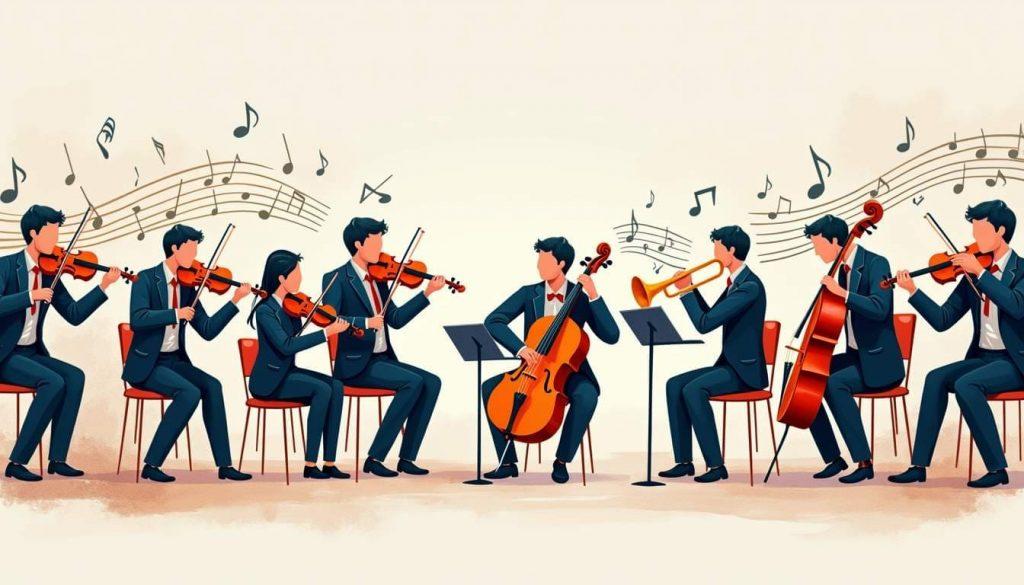
One of the primary functions of a film score is to establish the mood of the movie. Whether it’s the eerie strings of a horror film or the triumphant brass of an adventure flick, music sets the stage for what the audience can expect. The tone is often established in the opening credits, providing a musical preview of the journey ahead. This initial musical impression can be crucial, as it prepares the audience for the emotional and thematic journey they are about to embark on. The opening score can also serve as a thematic overture, introducing key musical motifs that will be developed throughout the film, creating a sense of anticipation and engagement from the very beginning.
Composers use various musical elements such as tempo, instrumentation, and harmony to create the desired atmosphere. A slow, minor-key melody might evoke sadness or tension, while a fast-paced, major-key tune can convey excitement or joy. The choice of instruments also plays a crucial role, with different timbres suggesting different emotions and settings. For instance, the use of a solo violin can evoke a sense of loneliness or introspection, while a full orchestra might suggest grandeur and epic scale. The interplay of these musical elements is a testament to the composer‘s skill in crafting a score that not only supports but also elevates the film’s narrative.
Highlighting Key Moments
Film scores are adept at drawing attention to pivotal scenes, enhancing their impact. A sudden crescendo can signal a dramatic revelation, while a soft, lingering note might underscore a tender moment. By aligning the music with the narrative arc, composers ensure that the audience’s focus is directed where it needs to be. This alignment is not merely a matter of timing but also involves a deep understanding of the film’s emotional and thematic core. The music must resonate with the audience on an intuitive level, guiding their emotional responses and deepening their engagement with the story.
These musical cues are carefully timed to coincide with visual and narrative beats, creating a seamless integration of sound and image. This synchronization is often achieved through meticulous planning and collaboration between the composer and the director, ensuring that the music complements the storytelling without overpowering it. The process of scoring a film is a collaborative art, where the composer’s vision must align with the director’s, creating a unified artistic expression that enhances the film’s impact. This collaboration often involves multiple iterations and revisions, as the composer and director work together to refine the score, ensuring that it serves the film’s narrative and emotional needs.
Why Melody and Motif Make a Film Score Memorable
Memorable film scores often feature strong melodies and motifs that resonate with audiences. These musical themes can become synonymous with the characters or the film itself, leaving a lasting impression long after the movie has ended. The power of a well-crafted melody lies in its ability to evoke emotion and memory, creating a connection between the audience and the film that transcends the visual experience. A memorable melody can become a cultural touchstone, evoking the film’s themes and emotions long after the credits have rolled.
The Power of Melody
A compelling melody is at the heart of many iconic film scores. It serves as a musical anchor, providing a familiar thread that runs throughout the film. A well-crafted melody can evoke a wide range of emotions, from joy to sorrow, and can be adapted to suit different scenes and contexts. The versatility of a strong melody allows it to be transformed and developed throughout the film, reflecting the characters’ journeys and the narrative’s evolution. This adaptability is a key factor in the melody’s ability to resonate with audiences, creating a sense of continuity and coherence that enhances the film’s impact.
Composers often use leitmotifs—recurring musical phrases associated with specific characters, locations, or ideas—to reinforce the narrative. These motifs help to create a cohesive musical identity for the film, making it easier for audiences to connect with the story on an emotional level. The use of leitmotifs is a powerful storytelling tool, allowing composers to weave a complex musical tapestry that reflects the film’s themes and emotions. By associating specific motifs with characters or ideas, composers can create a rich, layered narrative that engages the audience on multiple levels.
Motifs and Their Significance
Motifs are short, recurring musical ideas that carry significant meaning within the context of the film. They can represent characters, themes, or even abstract concepts, providing a musical shorthand that enhances the storytelling. By repeating and developing these motifs throughout the score, composers create a sense of continuity and unity. The evolution of a motif can mirror the development of a character or theme, adding depth and complexity to the narrative. This musical evolution is a powerful storytelling device, allowing composers to convey complex ideas and emotions in a subtle and nuanced way.
For example, a motif associated with a hero might be introduced in a triumphant form during a victory scene, then reappear in a more subdued version during a moment of introspection. This musical evolution mirrors the character’s journey, adding depth and complexity to the narrative. The use of motifs allows composers to create a rich, layered musical narrative that enhances the film’s storytelling, engaging the audience on an emotional and intellectual level. The interplay of motifs and themes creates a dynamic musical landscape that reflects the film’s emotional and thematic core, creating a powerful and memorable cinematic experience.
Instrumentation and Orchestration
The choice of instruments and the way they are orchestrated can greatly influence the impact of a film score. Different instruments evoke different emotions and associations, and the combination of these sounds creates a rich tapestry that supports the film’s narrative. The art of orchestration involves not only selecting the right instruments but also arranging them in a way that enhances the film’s emotional and thematic impact. This process requires a deep understanding of each instrument’s capabilities and how they can be combined to create a cohesive and compelling musical narrative.
Choosing the Right Instruments
Composers select instruments based on the mood and setting of the film. Strings are often used for their versatility and emotional range, while brass can convey power and grandeur. Woodwinds might be chosen for their ability to evoke a sense of mystery or nostalgia, and percussion can add intensity and drive. The choice of instruments is a crucial aspect of the composer’s craft, as it determines the emotional and thematic impact of the score. The selection of instruments is often influenced by the film’s cultural and historical context, ensuring that the music feels authentic and appropriate to the story being told.
The choice of instruments is also influenced by the cultural and historical context of the film. A period drama might feature a classical orchestra, while a contemporary thriller could incorporate electronic elements. This careful selection ensures that the music feels authentic and appropriate to the story being told. The use of culturally specific instruments can also add depth and authenticity to the film’s narrative, creating a rich, immersive experience for the audience. The interplay of different instruments and timbres creates a dynamic musical landscape that reflects the film’s emotional and thematic core, enhancing the storytelling and engaging the audience on multiple levels.
Orchestration Techniques
Orchestration involves arranging the musical elements for performance by an ensemble. This process requires a deep understanding of each instrument’s capabilities and how they can be combined to achieve the desired effect. Composers use techniques such as layering, counterpoint, and harmony to create a rich, dynamic sound. The art of orchestration is a complex and nuanced process, requiring a deep understanding of musical theory and the ability to translate abstract ideas into concrete musical expressions.
Layering involves stacking different musical lines to create a fuller sound, while counterpoint refers to the interplay between independent melodies. Harmony adds depth and color, with chords and progressions shaping the emotional landscape of the score. These techniques allow composers to craft intricate musical textures that enhance the film’s narrative. The use of orchestration techniques is a testament to the composer’s skill and creativity, allowing them to create a rich, dynamic musical landscape that reflects the film’s emotional and thematic core. The interplay of different musical elements creates a powerful and memorable cinematic experience, engaging the audience on an emotional and intellectual level.
Why a Great Film Score Stays with Audiences
A great film score resonates emotionally with the audience, amplifying the impact of the story. Music has the power to evoke deep feelings, and when used effectively, it can make the difference between a scene that is merely watched and one that is truly felt. The emotional resonance of a film score is a testament to the composer’s skill in crafting music that reflects and enhances the film’s emotional and thematic core. The ability to evoke emotion through music is a powerful storytelling tool, allowing composers to engage the audience on a deep and intuitive level.
Connecting with the Audience
To achieve emotional resonance, composers must understand the emotional core of the film and translate it into music. This involves identifying the key themes and emotions that drive the narrative and crafting a score that reflects and enhances these elements. The music should align with the characters’ emotional journeys, supporting their development and growth. By mirroring the characters’ experiences, the score helps the audience to empathize with their struggles and triumphs, creating a deeper connection to the story. The ability to connect with the audience on an emotional level is a testament to the composer’s skill and creativity, allowing them to create a powerful and memorable cinematic experience.
The music should align with the characters’ emotional journeys, supporting their development and growth. By mirroring the characters’ experiences, the score helps the audience to empathize with their struggles and triumphs, creating a deeper connection to the story. The ability to evoke emotion through music is a powerful storytelling tool, allowing composers to engage the audience on a deep and intuitive level. The emotional resonance of a film score is a testament to the composer’s skill in crafting music that reflects and enhances the film’s emotional and thematic core. The ability to connect with the audience on an emotional level is a testament to the composer’s skill and creativity, allowing them to create a powerful and memorable cinematic experience.
Enhancing the Narrative
Music can also enhance the narrative by providing subtext and context. A well-placed musical cue can reveal a character’s inner thoughts or foreshadow future events, adding layers of meaning to the story. This subtle storytelling tool allows composers to communicate complex ideas and emotions without the need for dialogue. The ability to convey subtext and context through music is a powerful storytelling tool, allowing composers to engage the audience on a deep and intuitive level.
By carefully crafting the score to align with the film’s narrative structure, composers ensure that the music supports and enhances the storytelling. This integration creates a cohesive and immersive experience for the audience, making the film more engaging and memorable. The ability to enhance the narrative through music is a testament to the composer’s skill and creativity, allowing them to create a powerful and memorable cinematic experience. The interplay of music and narrative creates a dynamic and engaging cinematic experience, engaging the audience on an emotional and intellectual level.
Conclusion: The Lasting Impact of Film Scores
In conclusion, a great film score is a powerful tool that can elevate a movie to new heights. Through careful composition and orchestration, composers create music that resonates with audiences, enhancing the emotional impact of the film. From setting the tone to highlighting key moments, the elements of a memorable film score work together to create an unforgettable cinematic experience. The ability to evoke emotion and enhance the narrative through music is a testament to the composer’s skill and creativity, allowing them to create a powerful and memorable cinematic experience.
As we continue to enjoy the magic of movies, let us appreciate the artistry and skill that goes into crafting the music that accompanies them. For it is this music that lingers in our minds, long after the final scene has faded to black. The lasting impact of a great film score is a testament to the power of music to evoke emotion and enhance the narrative, creating a powerful and memorable cinematic experience. The ability to connect with the audience on an emotional level is a testament to the composer’s skill and creativity, allowing them to create a powerful and memorable cinematic experience.
For filmmakers, investing in a great film score is not just about music — it’s about creating emotional depth, building memorable moments, and elevating your movie’s storytelling. Whether you’re working on an indie project or a feature film, choosing the right composer is crucial.
Related Reads:


 Twine
Twine

 Raksha