Twine
Twine
Source: Pexels
You know the moment: you ship a campaign you’d happily show your CEO, tight offer, clean design, sensible segmentation, and the numbers come back… weird.
Clicks are down. Replies are quiet. And somebody on the team says the sentence nobody wants to hear: “I think we’re landing in spam.”
Here’s the thing: deliverability isn’t one lever. It’s a system. Reputation, authentication, list quality, content patterns, sending pace, each one nudges you toward “trusted” or “filtered.”
And as inbox filters tighten (because everyone’s inbox is under siege), growing businesses feel the swings more acutely.
If you’re scaling, you need more than just vibes. You need tools that tell you what’s happening and why, without turning you into a deliverability detective. These eight are a strong, practical stack.
1. InboxAlly
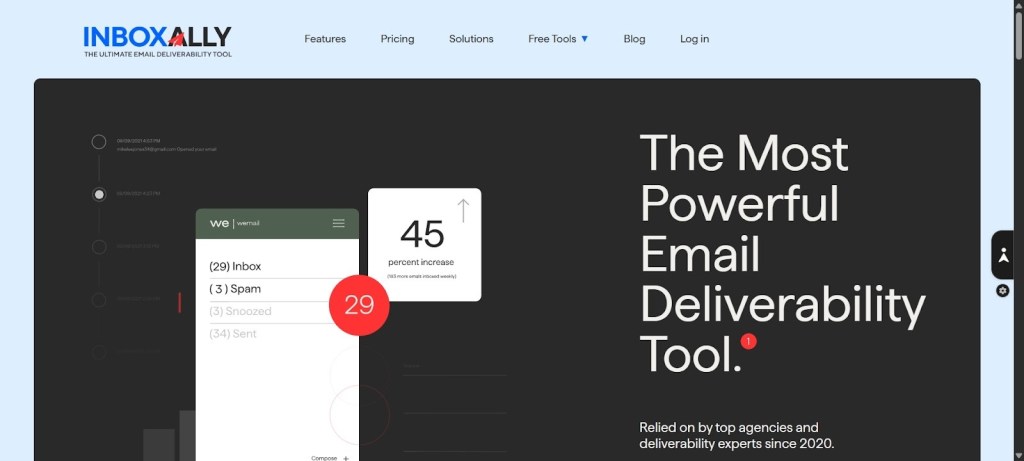
If you’re adding new domains, new inboxes, or a new outbound motion, inbox warmup can keep you from tripping alarms while you ramp.
InboxAlly focuses on engagement signals, opens, replies, and “this looks wanted” behaviors, so your sending pattern looks like a real human’s inbox life, not a sudden machine spike.
Use it when you’re starting cold, coming back after a quiet stretch, or separating traffic types across domains.
The trade-off is patience. Warmup works best when your ramp plan is boring on purpose: start small, increase steadily, and don’t change ten variables at once (new template, new links, new list, new volume) and then blame the inbox.
2. Dmarcian

DMARC is one of those “everyone knows they should do it” projects that still get postponed until spoofing occurs or deliverability declines.
Its value is turning messy DMARC report data into something you can act on: who’s sending as your domain, what’s aligned, what’s failing, and what to fix first.
Where it shines for growing teams is rollout management. You can stay in monitor mode while you inventory legitimate senders, then gradually tighten policy. The tricky part is internal politics: marketing, product, and IT all “own” a piece of the sender ecosystem.
3. EasyDMARC
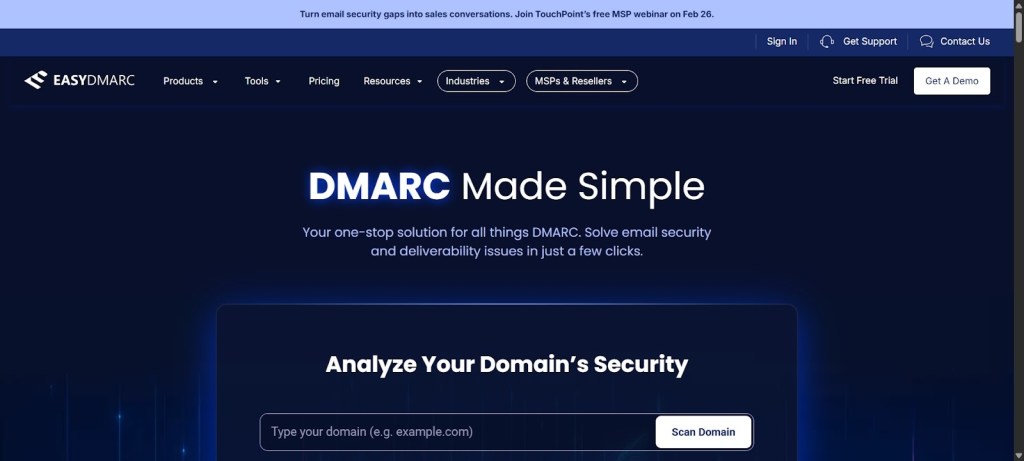
This is a strong option when you want DMARC/SPF/DKIM monitoring with extras like reputation or blacklist-style checks and alerts. Think of it as a way to catch issues early, before a failed alignment change quietly hurts your biggest send.
It depends on your setup, though. If you have multiple products, multiple CRMs, and a handful of third-party senders, the initial mapping work takes time. But once it’s dialed in, the “oh wow, that vendor is sending unauthenticated mail as us” discoveries are worth it.
4. MXToolbox
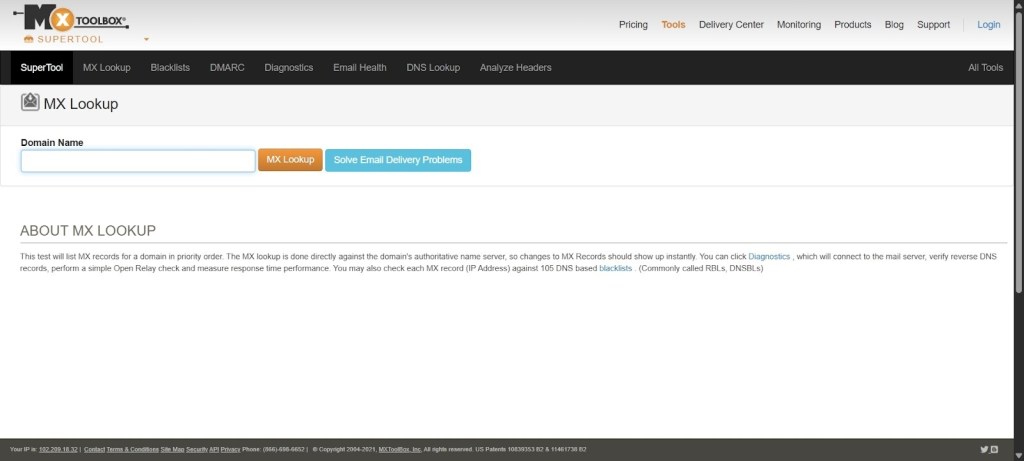
This is the tool you open when you need answers fast: DNS record checks, blacklist lookups, header analysis, and quick diagnostics for common misconfigurations.
It’s not glamorous, but it’s useful when a domain record changes, a new subdomain went live, or a sender IP is suddenly getting blocked.
You know what works? Treating it like a checklist. Run the same set of checks before big sends and after any infrastructure change. Consistency beats heroics.
5. Spamhaus Checker
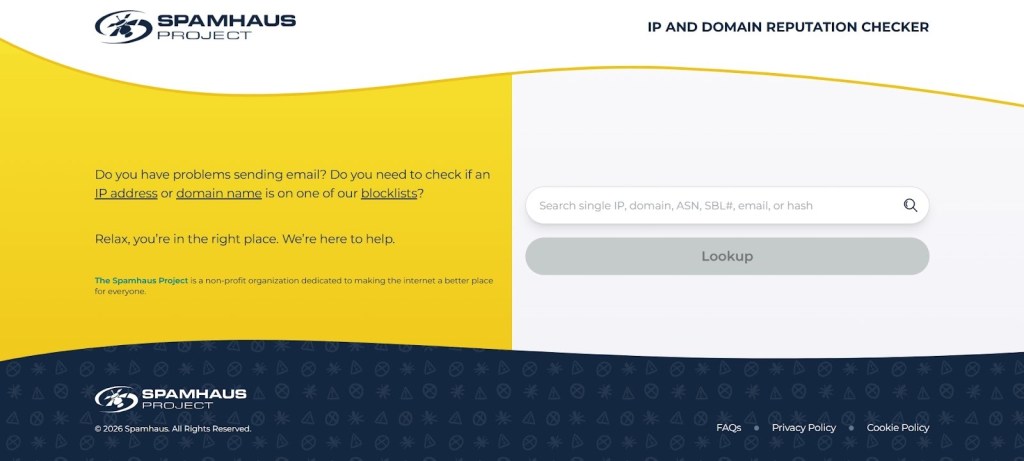
This one provides a reputation checker for IPs and domains. If you suspect blocking, checking there can quickly confirm whether you’re on one of their lists and point you toward the next steps.
But don’t panic-click “remove.” The better move is to fix the root cause first: a compromised account, poor list hygiene, a misconfigured server, or an over-aggressive volume jump. Removal without repair is basically asking to get relisted.
6. BarracudaCentral Lookups
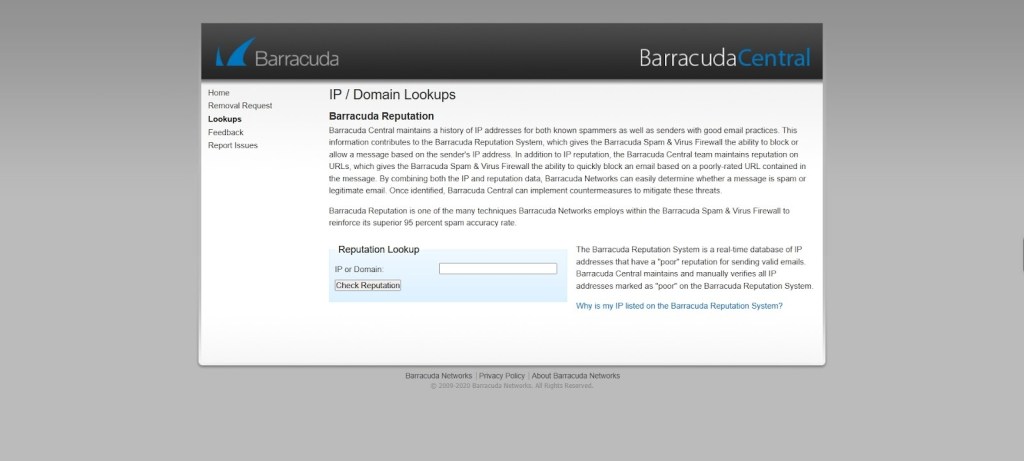
Its lookup tools help you check an IP’s reputation in that ecosystem, which can matter if your audience includes organizations using Barracuda filtering. It’s a quick way to validate whether you’re fighting a reputation problem versus a creative problem.
The trade-off is scope: a clean result here doesn’t guarantee inbox placement across all recipients. But it’s one more lens, and deliverability is all about lenses.
7. Cisco Talos Reputation Center
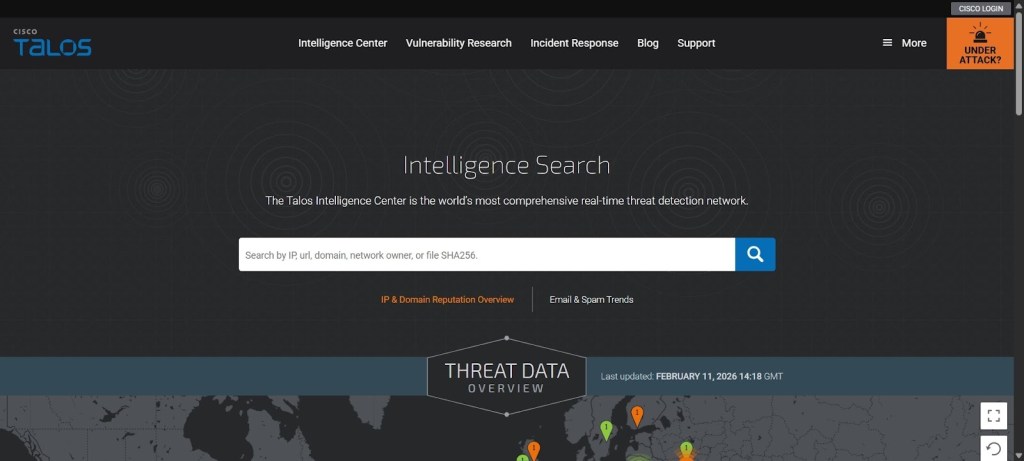
It offers an IP/domain reputation center and email reputation views that can help you sanity-check whether your sending infrastructure is being seen as “good,” “neutral,” or “poor.”
If a specific IP is getting heat, this can be an early clue that you need to slow down, clean up, or rotate sending infrastructure.
And yes, “neutral” can be its own problem. Sometimes it just means low volume or not enough data, so a gradual ramp and stable sending can help.
8. NeverBounce
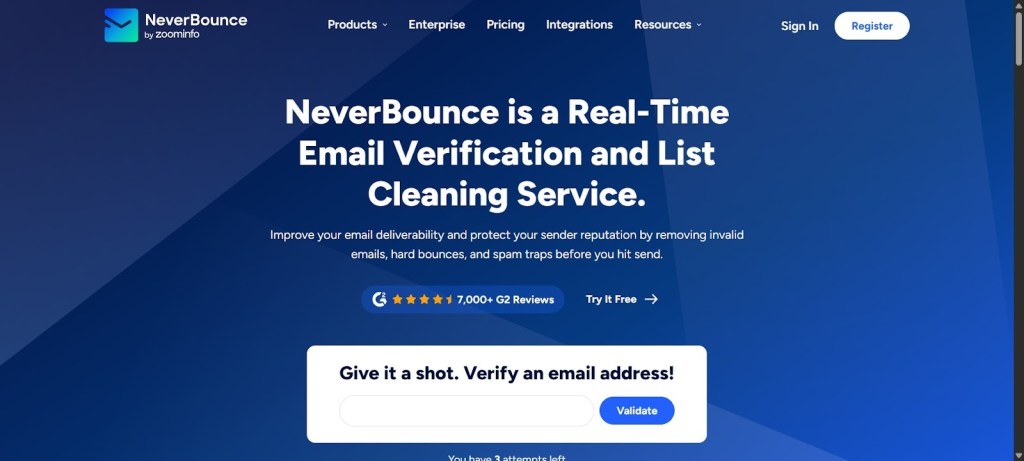
Growing businesses collect email addresses from everywhere: forms, partnerships, events, lead magnets, and paid ads. That’s great… until bounce rates creep up and providers decide you’re sloppy.
It’s an email verification service (bulk and API) that helps you validate addresses before you send, so you’re not paying for bounces and reputation damage.
The nuance: verification isn’t a license to spam. A “valid” address can still hate your email. Use it to protect list quality, then earn engagement with relevance.
How to Use These Without Turning Into a Full-Time Deliverability Person?
A common mistake is buying tools and skipping the process. Pick one owner, document your “before send” checklist, and keep a simple change log.
When deliverability shifts, you want to answer: what changed this week, volume, domain, template, links, audience, or infrastructure?
Right before you scale your program past “a few newsletters,” it’s also worth standardizing around an email deliverability platform that centralizes monitoring, alerts, and reporting, because scattered clues across eight tabs don’t help when you’re under pressure.
Conclusion: Boring Discipline Beats Deliverability Drama
If you’re growing, deliverability isn’t a nice-to-have; it’s revenue protection. Use warmup to ramp responsibly, authentication tools to stay aligned, diagnostics to troubleshoot quickly, reputation lookups to confirm what’s real, and list verification to keep bounces down.
Do that, and your inbox placement becomes a lot less mysterious and a lot more controllable.




 Vicky
Vicky