Vicky
VickyWhen it comes to audio production, the role of a sound editor is crucial. Whether you’re working on a podcast, a music track, or a film, the clarity and timing of your audio can make or break your project. But how do you find the right sound editor who can deliver the quality you need? In this guide, we’ll walk you through the essential criteria to evaluate a sound editor effectively.
Understanding the Role of a Sound Editor
Before diving into the evaluation process, it’s important to understand what a sound editor does. A sound editor is responsible for manipulating audio recordings to enhance clarity, balance, and overall quality. This includes tasks such as:
- Cleaning up audio tracks by removing unwanted noise
- Adjusting levels to ensure consistent volume
- Synchronizing audio with video or other elements
- Adding sound effects and music to enhance the listening experience
Key Skills to Look For
When evaluating a sound editor, consider the following skills that are essential for producing high-quality audio:
- Technical Proficiency: Familiarity with industry-standard software like Pro Tools, Logic Pro, or Adobe Audition is a must.
- Attention to Detail: A good sound editor should have a keen ear for nuances in audio quality.
- Creativity: They should be able to think outside the box to enhance your project with unique soundscapes.
Evaluating Audio Clarity
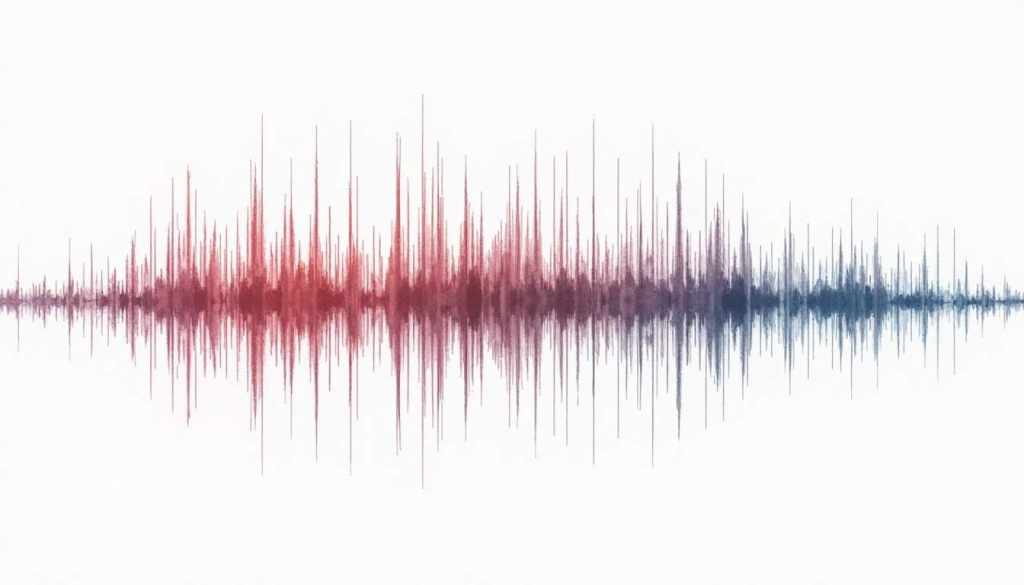
Audio clarity is paramount in any production. Here’s how to assess a sound editor’s ability to deliver clear audio:
Listen to Their Previous Work
The best way to gauge a sound editor’s skill is to listen to samples of their previous projects. Pay attention to:
- How well the dialogue is understood
- The balance between background music and vocals
- Any noticeable background noise or distortion
Ask About Their Editing Process
Understanding a sound editor’s workflow can provide insight into their approach to clarity. Ask questions like:
- What techniques do you use to clean up audio?
- How do you ensure that dialogue remains clear and prominent?
- What steps do you take to maintain audio quality during editing?
Assessing Timing and Synchronization
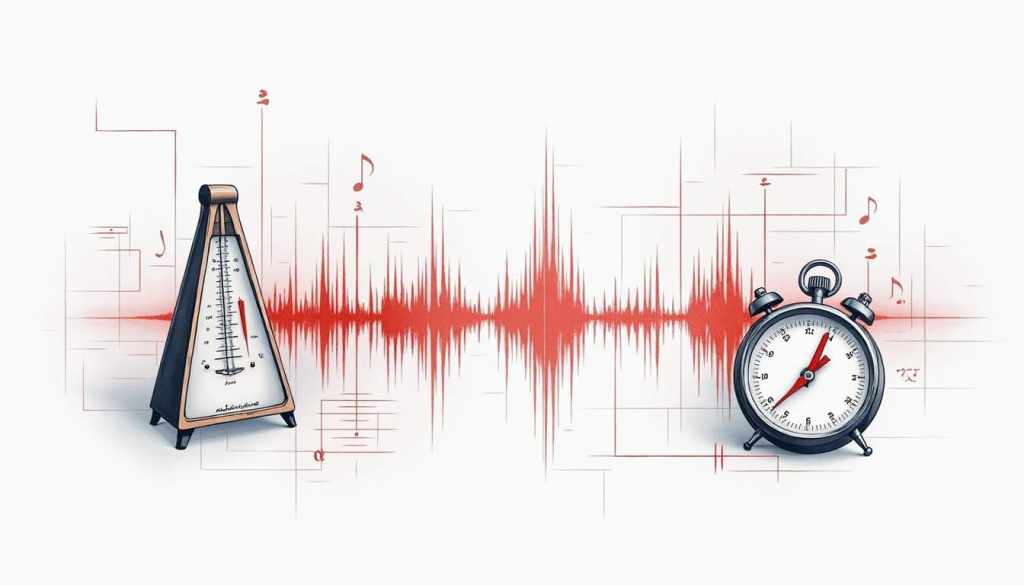
Timing is just as important as clarity. Poor timing can disrupt the flow of your project and distract the audience. Here’s how to evaluate a sound editor’s timing skills:
Check Their Experience with Different Formats
Different projects require different approaches to timing. Whether it’s syncing audio to video or ensuring that beats align perfectly in music, experience matters. Ask potential editors about:
- The types of projects they’ve worked on
- Any specific challenges they’ve faced with timing
- How they handle synchronization issues
Request a Test Edit
If you’re serious about hiring a sound editor, consider requesting a short test edit. Provide them with a sample audio file and ask them to demonstrate their skills in clarity and timing. This will give you a firsthand look at their capabilities.
Communication and Collaboration
A successful project relies on effective communication. Here’s what to look for in a sound editor:
Responsiveness
How quickly does the sound editor respond to your inquiries? A good editor should be prompt and clear in their communication. This is crucial for keeping your project on track.
Willingness to Collaborate
Sound editing is often a collaborative process. Ensure that the editor is open to feedback and willing to make adjustments based on your vision. Ask them about their approach to collaboration:
- How do you handle feedback?
- Are you open to making revisions?
- What’s your preferred method of communication during a project?
Final Thoughts
Finding the right sound editor can significantly impact the quality of your audio project. By focusing on clarity, timing, and effective communication, you can ensure that you choose an editor who meets your needs. Remember, it’s not just about technical skills; it’s about finding someone who understands your vision and can bring it to life.

Ready to elevate your audio project? Explore how Twine can help you connect with top sound editors who are ready to bring your vision to life!


 Twine
Twine