Vicky
VickyFinding the right sound editor for your film or TV project can feel like searching for a needle in a haystack. With so many talented professionals out there, how do you ensure you’re making the right choice? In this guide, we’ll walk you through the essential steps to hire a sound editor who not only meets your needs but also elevates your project to new heights.
Understanding the Role of a Sound Editor
Before diving into the hiring process, it’s crucial to understand what a sound editor does. A sound editor is responsible for creating the auditory experience of a film or TV show. This includes everything from dialogue editing to sound effects and ambient sounds. Here’s a closer look at their key responsibilities:
Dialogue Editing
Dialogue editing is one of the primary tasks of a sound editor. This involves cleaning up the recorded dialogue, removing unwanted noise, and ensuring clarity. A skilled sound editor will make sure that every word is crisp and clear, enhancing the overall viewing experience.
Sound Effects and Foley
Sound effects add depth and realism to a project. A sound editor will either source existing sound effects or create new ones through a process called Foley, where they record sounds in sync with the visuals. This can include everything from footsteps to the rustling of leaves, making the world feel alive.
Mixing and Mastering
Once all the elements are in place, the sound editor will mix and master the audio tracks. This process ensures that all sounds are balanced and that the final product sounds polished and professional. It’s a critical step that can make or break the auditory experience of your project.
Identifying Your Needs
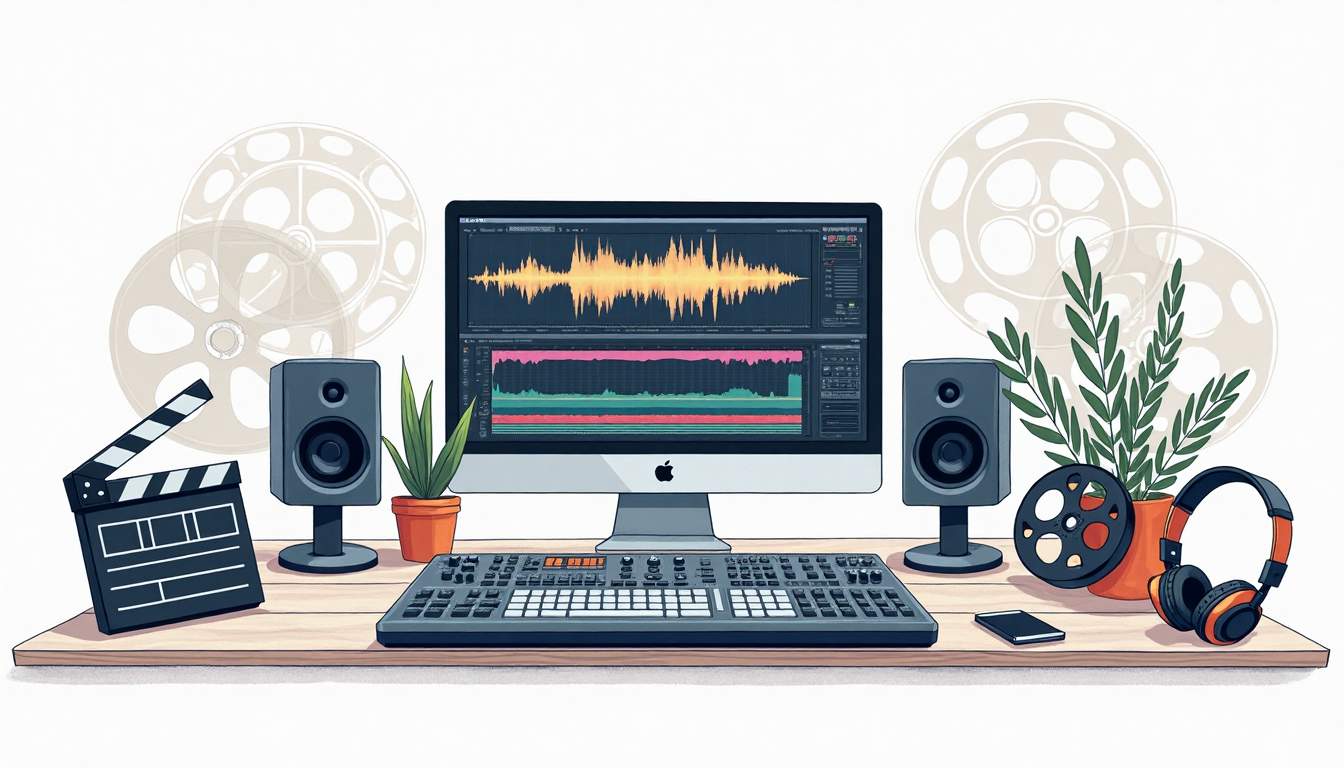
Now that you understand the role, it’s time to identify your specific needs. Consider the following factors:
Project Scope
Is your project a short film, a feature-length film, or a TV series? The project scope will determine the level of expertise you need. For larger projects, you may want to consider hiring someone with extensive experience in the industry.
Budget
Your budget will play a significant role in your hiring decision. Sound editors can vary widely in terms of rates, so it’s essential to have a clear budget in mind. Remember, investing in quality sound can significantly enhance your project.
Timeline
Consider your timeline for the project. If you’re on a tight schedule, you’ll want to find someone who can work efficiently without compromising quality. Be upfront about your deadlines during the hiring process.
Where to Find Sound Editors
Once you’ve identified your needs, it’s time to start your search. Here are some effective places to find sound editors:
Freelance Marketplaces
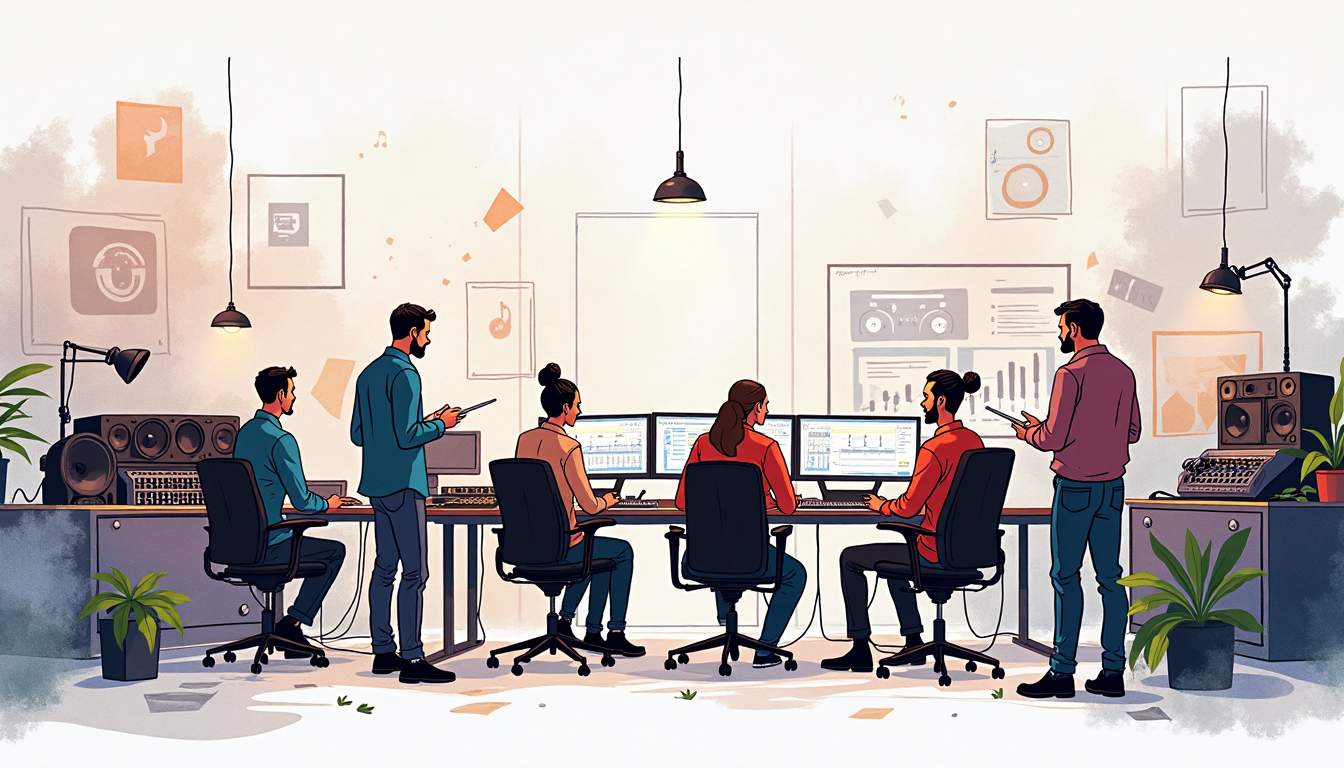
Freelance marketplaces like Twine, Upwork, and Fiverr are great places to find freelance sound editors. You can browse profiles, listen to samples of their work, check their hourly rates and read reviews from previous clients. This can give you a good sense of their style and expertise.
Networking Events
Industry events, film festivals, and workshops are excellent opportunities to meet sound editors in person. Networking can lead to valuable connections and recommendations, making it easier to find someone who fits your project.
Social Media and Online Communities
Don’t underestimate the power of social media. Platforms like LinkedIn, Facebook groups, and even Twitter can be useful for finding sound editors. Join relevant groups and engage with the community to discover potential candidates.
Evaluating Candidates
Once you have a list of potential sound editors, it’s time to evaluate them. Here’s how to ensure you’re making the right choice:
Review Their Portfolio
A strong portfolio is essential. Look for examples of their previous work that align with your project’s style. Pay attention to the quality of the sound, the creativity of the effects, and how well they enhance the visuals.
Check References
Don’t hesitate to ask for references from previous clients. Speaking with others who have worked with the sound editor can provide valuable insights into their work ethic, communication skills, and reliability.
Conduct Interviews
Once you’ve narrowed down your candidates, conduct interviews to get a better sense of their personality and approach. Ask about their process, how they handle feedback, and their experience with similar projects. This will help you gauge whether they’re a good fit for your team.
Making the Offer
After you’ve found the right sound editor, it’s time to make an offer. Here are some tips to ensure a smooth process:
Be Clear About Expectations
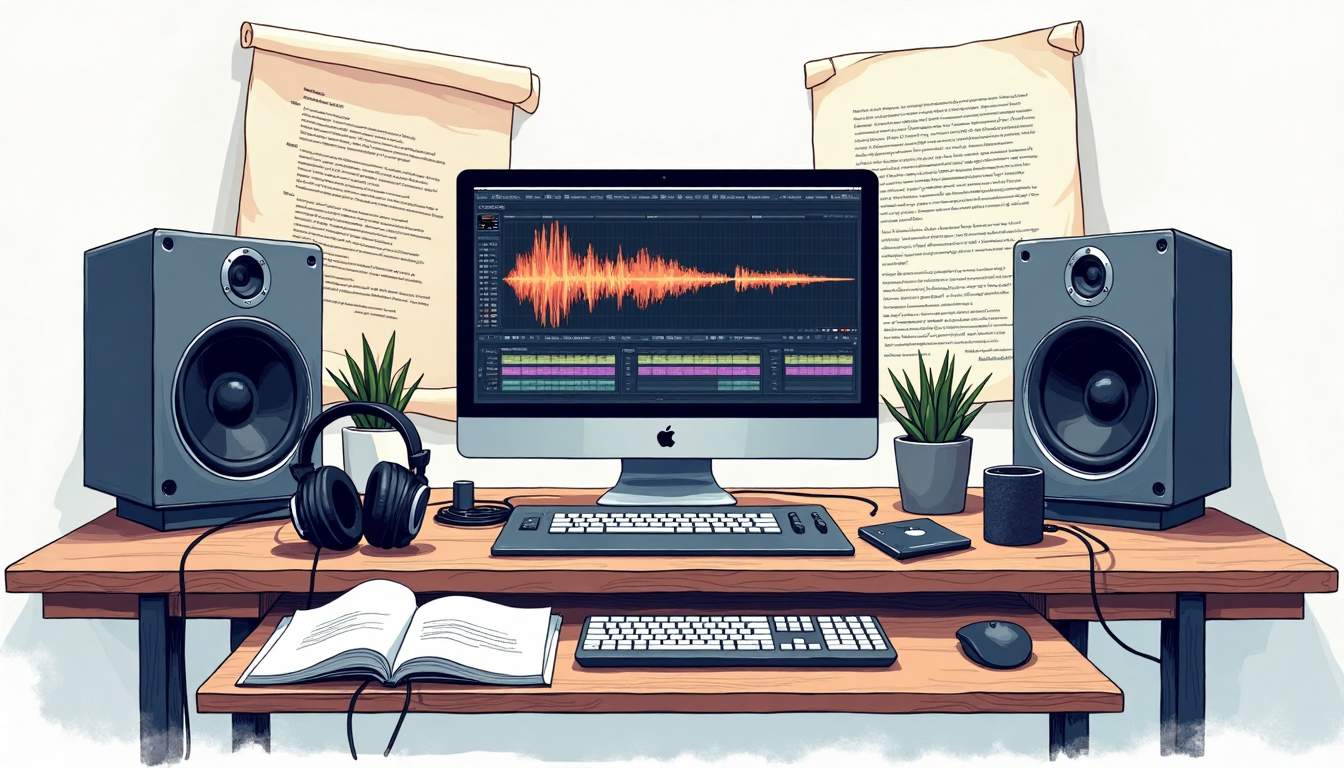
When making the offer, be clear about your expectations regarding deadlines, deliverables, and payment terms. This will help avoid misunderstandings down the line.
Negotiate Fairly
Be open to negotiation. If the candidate’s rate is slightly above your budget, consider discussing the scope of work or payment terms to find a middle ground that works for both parties.
Draft a Contract
Once you’ve agreed on terms, draft a contract that outlines all the details. This should include payment terms, deadlines, and any other relevant information. A contract protects both you and the sound editor, ensuring a professional working relationship.
Conclusion
Hiring a sound editor for your film or TV project doesn’t have to be daunting. By understanding the role, identifying your needs, and following a structured hiring process, you can find the perfect fit for your project. Remember, quality sound can elevate your work and leave a lasting impression on your audience.
Ready to find your sound editor? Post your project now and connect with top talent in the industry.


 Twine
Twine