Vicky
VickyIn the world of product design, 3D rendering has become an essential part of bringing ideas to life. Whether you’re developing a new product, launching a marketing campaign, or creating digital content, hiring the right 3D designer can make a significant difference. This guide will help you understand what to look for when hiring a 3D designer and what skills are essential for delivering high-quality product renderings.
Why Hire a 3D Designer?
3D designers bring your concepts to life through realistic models and animations. From prototypes to marketing visuals, a talented 3D designer can help you:
- Visualize your product before manufacturing
- Create compelling assets for investor or customer presentations
- Enhance your website, ad campaigns, or social media content with stunning visuals
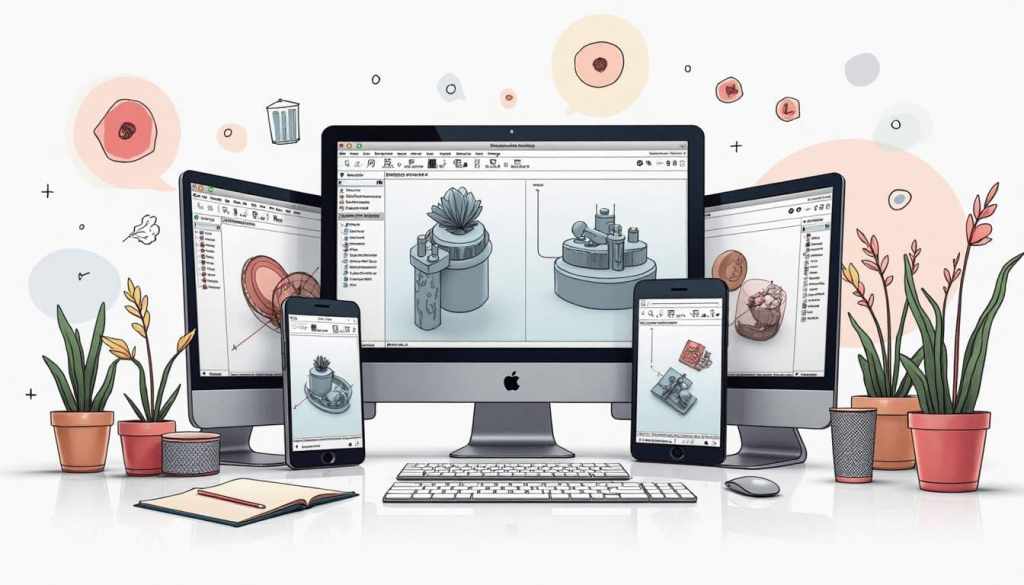
Key Skills to Look For in a 3D Designer
- Proficiency in 3D Modeling Software A professional 3D designer should have experience with industry-standard tools such as:
- Autodesk MayaBlender3ds MaxCinema 4D
- Strong Artistic Foundation Beyond technical know-how, a good 3D designer understands design principles, color theory, and composition. Look for someone who can:
- Choose colors and materials that align with your brand
- Create balanced, visually appealing scenes
- Pay attention to detail in texture, scale, and lighting
- Expertise in Rendering Techniques Rendering brings 3D models to life with realistic lighting and shading. A skilled designer will know how to work with:
- Ray tracing and global illumination for photorealismRasterization for real-time applicationsRendering engines like V-Ray, Arnold, and Octane Render
- Understanding of Product Design If you’re hiring for product visualization, it helps if the designer understands manufacturing processes, ergonomics, and material finishes. This ensures that what you see in the render matches what can be produced.
- Collaborative and Communicative Your designer should be easy to work with and responsive to feedback. Good communication helps you avoid delays, clarify expectations, and produce better outcomes. Look for someone who:
- Clearly explains their creative process
- Is comfortable taking direction and making revisions
- Can collaborate with other team members such as marketers, product managers, or developers
- Adaptability and Ongoing Learning The design landscape is constantly evolving. Seek out designers who stay current with trends and tools and are eager to experiment with new ideas and technologies like AR/VR or real-time rendering.
How to Evaluate Candidates
- Review Portfolios Thoroughly: Look for past work that’s similar to your project in style or complexity.
- Ask About Their Process: A great designer can walk you through how they build a 3D model from start to finish.
- Run a Small Test Project: For larger commitments, consider starting with a short assignment to evaluate quality, communication, and fit.
- Get Referrals or Testimonials: Reviews from past clients can help you assess reliability and professionalism.
Final Thoughts
Hiring the right 3D designer can elevate your project and bring your product vision to life. By understanding the skills and qualities to look for, you can confidently choose a designer who will deliver exceptional results.


 Twine
Twine