





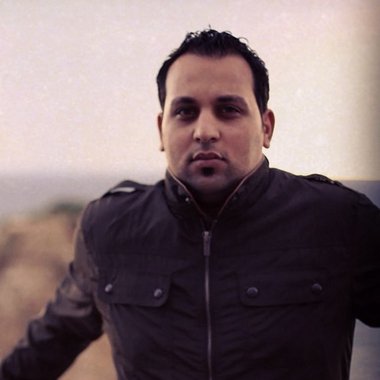
Available
Hi, I’m Murad Zayed, an audio engineer with over 20 years of experience in radio production, broadcasting, and studio management. I’ve built and led production studios, p...
See MorePost a project and get matched with Sound Editors in Israel. Matched in 24 hours. No agency fees.
Trusted by 10,000+ companies of all sizes





Available now
Every Sound Editor's portfolio and application is manually reviewed by our Customer Success team. You only see vetted matches.
Hi, I’m Murad Zayed, an audio engineer with over 20 years of experience in radio production, broadcasting, and studio management. I’ve built and led production studios, p...
See MoreI'm a post-production sound editor / mixer, and game audio developer from Israel. I've been working in a leading sound studio as well as independently since 2007, and ...
See MoreSound Designer & Audio Post-Production Specialist | Pro Tools Certified | Film, Theater & Podcast Audio
See More
I’m Igor Krutogolov — a composer, sound artist, and multi-instrumentalist based in Tel Aviv. I create atmospheric music that blends live strings, acoustic instruments, a...
See More
Ilia Jossifov - born in Sofia, Bulgaria in 1970 - early childhood education at The National School of Music. (piano & violin) - 1993 music studies in piano, conducting...
See More
Over 10 years of experience as a sound designer and music composer across sound post-production studios, with specialized expertise in the gaming industry and AI-native w...
See More
I'm a Sound Editor expert based in Israel. I specialise in Ableton Live, Adobe Premiere Pro, and Final Cut Pro X, and bring hands-on experience to every brief.
See More
I'm Sergio Arditti, a field recordist and sound engineer based in Tel Aviv with a track record of capturing high-quality field recordings for diverse TV features and live...
See More
Hi, I’m Naava Feingold, a versatile sound designer and audiobook engineer with over a decade of experience shaping on-set and post-production audio for film, television, ...
See MoreWorking freelance sound designer, editor and mixer
See More
Hi, I’m Liel Ivgi, a highly motivated and results-driven music producer and sound designer based in Kfar Sava, Israel. I bring 10+ years of experience in electronic music...
See More
Having a daily work on Protools and Logic Pro X softwares. Music composer, producer and a great dj. Making music for clubs, movies and commercials
See MoreWe have over 14,500 Sound Editors who've worked in many different industries and cover various styles and skillsets.
Start your searchDevelopment specialisms and the cross-functional roles you'll often hire alongside.
We've got more than Sound Editors in Israel
Or widen your search to global Sound Editors
Reviews
“Opeyemi was great to work with, she delivered our full product line in under a week with zero revisions needed. Communication was fast and final, cut to match our brand”
Kimberly @ Marketing Lead at Northbridge Retail
Jul 22, 2026
“Excelentes arreglos musicales, Mucha creatividad y sobre todo mucho profesionalismo, altamente recomendable. Gracias a su colaboración mis composiciones las subiré a todas las plataformas musicales.”
Felipe @ Cantante independiente
Jul 16, 2026
“you can just copy n past this: Over the last 5 years, I’ve had the absolute pleasure of working with Tom Crandles on my solo EP Paradise Lost and my upcoming album. Tom has been the mixer, recording engineer, and producer throughout this process, as well as a supportive co-writer on several tracks. He has also...”
Aleesha @ Aleesha Dibbs
Jul 3, 2026
“As Founder of Tindakan, I contracted Marc to produce, film, score, and edit a Call to Action film featuring Dr. Jane Goodall for Global Coffee Solution, a project for which Tindakan serves as a strategic partner. From our very first conversations through the final delivery, Marc consistently demonstrated an exceptional...”
Jeremy @ Tindakan
Jun 22, 2026
“Ajibola Olaniyi was a delight to work with. Asides from his exceptional talent creating music, he has a great attitude and a penchant for getting things done well.”
Tade @ Gazuntype
Jun 16, 2026
“We’ve had the pleasure of working with Vlad on numerous wedding films for over 10 years now, and he continues to impress us with his creativity, efficiency, and attention to detail. He has a true talent for storytelling and knows how to take hours of footage and craft it into a cinematic film that captures the emotion and...”
Milton @ Milton Gil Photographers
Jun 12, 2026

Clients Rate Twine Sound Editors 4.97 / 5.0
on average across 400400 reviews
3–5 minutes. Tell us about your project, your timeline, and how you want experts to contact you.
Within 24 hours, you'll see a shortlist of vetted Sound Editors matched to your project.
Flexible payments on your terms, bill experts directly or use the Twine vault for added security.
Transparent rates, no hidden markup, and a payment path for every need.
Agencies bury a 20–40% markup inside the retainer, you never see it. On Twine, you set the price and you see the platform fee as a separate, explicit line. No surprises at checkout.
Prefer your own payment flow? Pay your expert outside Twine, incurring no commission fees. Most useful for ongoing or trusted relationships.
Funds are held in escrow and only released when you approve the deliverables. If the work isn't right, your money doesn't move. 10% commission on payments up to $10,000, just 5% on anything above.
Pick the role, the experience level and how long you need. We’ll show you what similar projects have cost on Twine. It’s a guide, not a quote.
Estimates only. Actual budget is set by you and agreed with your expert before any work begins.
ESTIMATED RANGE
₪14,000 – ₪38,000
Full possible range for a mid-level Sound Editor over 2–4 weeks
Common questions answered before you post a project.
A Sound Editor is responsible for manipulating audio elements in film, television, and other media. Their primary tasks include:
Sound Editors play a crucial role in storytelling, ensuring that every sound enhances the viewer's experience.
Exceptional Sound Editors possess a unique combination of technical skills and creative intuition. Key qualities include:
These traits help differentiate top talent in the competitive landscape of sound editing.
Typical day rates for Sound Editors in Israel vary by experience level:
These are indicative ranges based on Twine project data. Final budgets depend on project scope and are agreed directly with your freelancer.
To recognize the perfect Sound Editor for your needs, consider the following:
By focusing on these aspects, you can identify a Sound Editor who aligns with your project’s vision and goals.
During an interview with a Sound Editor, consider asking the following key questions:
These questions will help you gauge their expertise, work ethic, and compatibility with your project needs.
Hiring a Sound Editor in Israel involves a few strategic steps:
By following these steps, you can find the right Sound Editor who aligns with your creative goals.
The main differences between hiring a freelance Sound Editor and working with an agency are:
Choosing between the two depends on your project size, budget, and specific needs.
A comprehensive project brief or job description for a Sound Editor should include:
Providing this information ensures that candidates can accurately assess if they fit your project requirements.
Hiring on Twine is simple.
Post your project and meet your expert within 24 hours. Over 45,000+ high growth companies that trust Twine.