







Available
I’m a video and podcast editor with over 5 years of experience helping educators, coaches, and businesses turn raw recordings into polished, professional content. My focu...
See MorePost a project and get matched with Sound Editors in Serbia. Matched in 24 hours. No agency fees.


Trusted by 10,000+ companies of all sizes






Available now
Every Sound Editor's portfolio and application is manually reviewed by our Customer Success team. You only see vetted matches.
I’m a video and podcast editor with over 5 years of experience helping educators, coaches, and businesses turn raw recordings into polished, professional content. My focu...
See MoreI am a composer, sound designer and music producer with more than a decade of experience creating music for commercials, film scores, and video games. I specialise in arr...
See MoreProducer / Sound Designer / Composer / Audio Professional ★★★★★ Media production professional ★★★★★ Established as a top-notch industry player in this region, with broad...
See More
Education: University of Arts, Belgrade, Bachelor of Arts in Sound Design. I have years of experience with all the required software and hardware in my studio. I will...
See More
I am Sloba, an experienced video editor and DVD, Blu-ray, and 4K UHD authoring specialist with over 20 years in the industry. I have worked on independent films and comme...
See More
I am a composer and music artist with experience in creating original works for film, concert performance, and publishing projects, as well as in the creative adaptation ...
See More
I am a sound designer with vast experience in all kinds of areas of audio production ranging from: - Music Prouction ( Produced and released five music albums) - Fol...
See More
Audio engineer with Bachelor's degree in Audio production. Working on sound related stuff since 2018. My previous work includes: -Music production -Sound design for...
See More
I'm an experienced Sound Editor based in Novi Sad, Serbia. I enjoy helping teams turn ideas into polished, delivery-ready work.
See More
Long term of experience in the field of audio and video editing. Also an expert in the field of digital marketing and administration of the Wordpress platform, social ne...
See More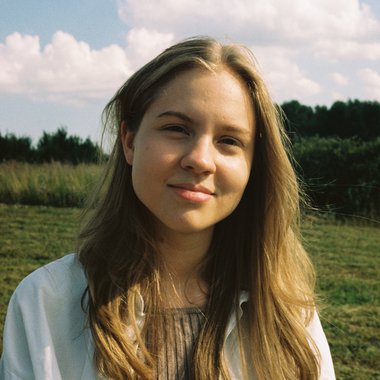
Hello, my name is Polina! I'm an audio engineer and composer that specialises in film audio. I've been recording, editing and mixing short film for 2 years now as well as...
See More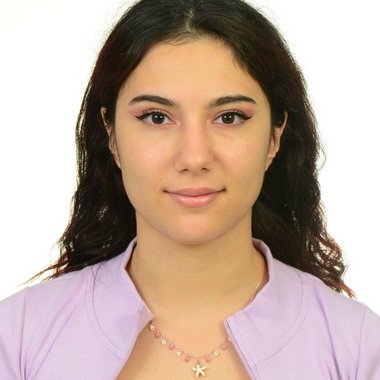
I am Lale Gurbanova, an experienced journalist and video editor. I specialize in news production, video content creation, and visual storytelling. Currently, I am seeking...
See MoreWe have over 14,500 Sound Editors who've worked in many different industries and cover various styles and skillsets.
Start your searchDevelopment specialisms and the cross-functional roles you'll often hire alongside.
We've got more than Sound Editors in Serbia
Or widen your search to global Sound Editors
Reviews
“Opeyemi was great to work with, she delivered our full product line in under a week with zero revisions needed. Communication was fast and final, cut to match our brand”
Kimberly @ Marketing Lead at Northbridge Retail
Jul 22, 2026
“Excelentes arreglos musicales, Mucha creatividad y sobre todo mucho profesionalismo, altamente recomendable. Gracias a su colaboración mis composiciones las subiré a todas las plataformas musicales.”
Felipe @ Cantante independiente
Jul 16, 2026
“you can just copy n past this: Over the last 5 years, I’ve had the absolute pleasure of working with Tom Crandles on my solo EP Paradise Lost and my upcoming album. Tom has been the mixer, recording engineer, and producer throughout this process, as well as a supportive co-writer on several tracks. He has also...”
Aleesha @ Aleesha Dibbs
Jul 3, 2026
“As Founder of Tindakan, I contracted Marc to produce, film, score, and edit a Call to Action film featuring Dr. Jane Goodall for Global Coffee Solution, a project for which Tindakan serves as a strategic partner. From our very first conversations through the final delivery, Marc consistently demonstrated an exceptional...”
Jeremy @ Tindakan
Jun 22, 2026
“Ajibola Olaniyi was a delight to work with. Asides from his exceptional talent creating music, he has a great attitude and a penchant for getting things done well.”
Tade @ Gazuntype
Jun 16, 2026
“We’ve had the pleasure of working with Vlad on numerous wedding films for over 10 years now, and he continues to impress us with his creativity, efficiency, and attention to detail. He has a true talent for storytelling and knows how to take hours of footage and craft it into a cinematic film that captures the emotion and...”
Milton @ Milton Gil Photographers
Jun 12, 2026

Clients Rate Twine Sound Editors 4.97 / 5.0
on average across 400400 reviews
3–5 minutes. Tell us about your project, your timeline, and how you want experts to contact you.
Within 24 hours, you'll see a shortlist of vetted Sound Editors matched to your project.
Flexible payments on your terms, bill experts directly or use the Twine vault for added security.
Transparent rates, no hidden markup, and a payment path for every need.
Agencies bury a 20–40% markup inside the retainer, you never see it. On Twine, you set the price and you see the platform fee as a separate, explicit line. No surprises at checkout.
Prefer your own payment flow? Pay your expert outside Twine, incurring no commission fees. Most useful for ongoing or trusted relationships.
Funds are held in escrow and only released when you approve the deliverables. If the work isn't right, your money doesn't move. 10% commission on payments up to $10,000, just 5% on anything above.
Pick the role, the experience level and how long you need. We’ll show you what similar projects have cost on Twine. It’s a guide, not a quote.
Estimates only. Actual budget is set by you and agreed with your expert before any work begins.
ESTIMATED RANGE
din201,500 – din542,000
Full possible range for a mid-level Sound Editor over 2–4 weeks
Common questions answered before you post a project.
A Sound Editor is responsible for manipulating and enhancing audio elements in film, television, and other media. Their tasks include editing dialogue, sound effects, and music to create a cohesive and engaging soundscape. They work closely with directors and sound designers to ensure that audio complements the visual aspects of the project. Sound Editors may also be involved in tasks such as noise reduction, audio restoration, and mixing to deliver a polished final product. Their expertise is crucial in maintaining the overall audio quality and emotional impact of the content.
Exceptional Sound Editors possess a unique blend of technical skills and creative vision that distinguishes them from their peers. Key qualities include:
Typical day rates for Sound Editors in Serbia vary by experience level:
These are indicative ranges based on Twine project data. Final budgets depend on project scope and are agreed directly with your freelancer.
Recognizing the perfect Sound Editor in Serbia involves a combination of assessing their skills, experience, and compatibility with your project. Look for:
During an interview with a Sound Editor, consider asking the following key questions:
To hire a Sound Editor in Serbia, follow these steps:
Hiring a freelance Sound Editor offers flexibility and often lower costs, as freelancers have fewer overhead expenses. You can communicate directly with them, which can lead to a more personal working relationship. However, freelancers may have limited availability for larger projects. On the other hand, working with an agency typically provides access to a team of professionals with diverse skills and expertise. Agencies often offer a structured process, ensuring consistency and reliability across projects. However, this may come with higher fees and less direct communication with individual editors. Assess your project needs to determine which option is best for you.
A well-crafted project brief for a Sound Editor should include:
Hiring on Twine is simple.
Post your project and meet your expert within 24 hours. Over 45,000+ high growth companies that trust Twine.