
 Munch Studio
Freelancer hiring in 2026 is no longer driven by volume, hustle, or who sends the most proposals. It is driven by signals. Clients make faster decisions, rely on pattern recognition, and prefer talent that already appears active, credible, and easy to trust.
This shift matters because most freelancers still operate as if hiring works the way it did five years ago. It does not. Today, visibility systems outperform effort, and consistency matters more than constant activity. The freelancers getting hired most often are not working harder. They are structurally easier to discover.
Munch Studio helps build those systems by designing simple, automated visibility workflows that keep your brand present, credible, and discoverable without constant posting or manual effort.
In 2026, freelancers win work by building low-effort visibility systems that create trust signals over time. With the right setup, maintaining those signals requires minutes per week—not daily effort.
What Actually Changed in Freelancer Hiring
Hiring has become passive before it becomes intentional. Clients increasingly browse platforms, scan profiles, and review recent activity long before they ever reach out. By the time a conversation starts, the decision is often half made.
This is where AI tools for marketing quietly changed the landscape. These tools made it possible for individuals, not just companies, to maintain a consistent public presence without constant manual work. Platforms now reward recency, relevance, and reliability, not volume.
The result is a hiring environment where absence is more damaging than imperfection.

Why Effort No Longer Correlates With Outcomes
In 2026, you hire based on what your clients can see and assess easily. When they see clear, consistent signals, they recognize relevance and make decisions quickly.
This is where Munch Studio helps creators and freelancers stay visible through simple, automated systems that maintain trust, reduce friction, and build long-term consistency without constant effort.
A predictable social media posting schedule creates familiarity. Familiarity reduces perceived risk. Reduced risk accelerates hiring decisions. This is why freelancers who show up consistently—even quietly—outperform those who appear intensely and then disappear.
The system rewards stability, not bursts of activity.
The Visibility System Clients Respond To
Below is a simplified view of how modern freelancer hiring signals work in practice:
Hiring Signal Clients Notice | What It Communicates | Low-Effort Way to Maintain It |
Recent public activity | You are active and available | Use a social media content calendar to plan ahead |
Consistent posting cadence | You are reliable | Maintain a light social media posting schedule |
Clear positioning | You know what you do | Keep profiles and bios focused |
Engagement and replies | You are responsive | Monitor comments weekly using user engagement tools |
Platform recency signals | You are relevant now | Schedule posts on social media during busy weeks |
The freelancers getting hired most often operate simple systems:
- One or two consistent public touchpoints
- Predictable activity cadence
- Clear positioning across platforms
A social media content calendar is not a marketing tactic in this context. It is an operational tool. It ensures that visibility does not depend on motivation, mood, or available time.
This system works because it aligns with how modern discovery algorithms surface talent and how humans subconsciously evaluate reliability.
The freelancers getting hired most often operate simple systems:
- One or two consistent public touchpoints
- Predictable activity cadence
- Clear positioning across platforms
A social media content calendar is not a marketing tactic in this context. It is an operational tool. It ensures that visibility does not depend on motivation, mood, or available time.
This system works because it aligns with how modern discovery algorithms surface talent and how humans subconsciously evaluate reliability.
AI as a Visibility Layer, Not a Content Shortcut
In 2026, AI is no longer a differentiator. It is infrastructure.
When used correctly, AI for content creation supports structure, cadence, and repetition in the operational layer of visibility, while human expertise defines substance, judgment, and credibility. AI handles what is costly in time but low in strategic value. Freelancers retain control over voice, positioning, and insight. Munch Studio applies this balance by pairing automation with human strategy for lasting visibility.
This distinction matters because hiring today is pattern-based. Clients do not evaluate freelancers one post at a time. They evaluate signals over time: clarity, coherence, and presence. AI enables those signals to exist consistently, even when attention is focused elsewhere.
Used correctly, AI does not replace creativity. It preserves attention.
Where Clients Actually Discover Freelancers in 2026
Discovery concentrates in a few predictable places:
- Professional marketplaces and curated platforms
- LinkedIn activity and profile recency
- Visual platforms that surface work-in-progress
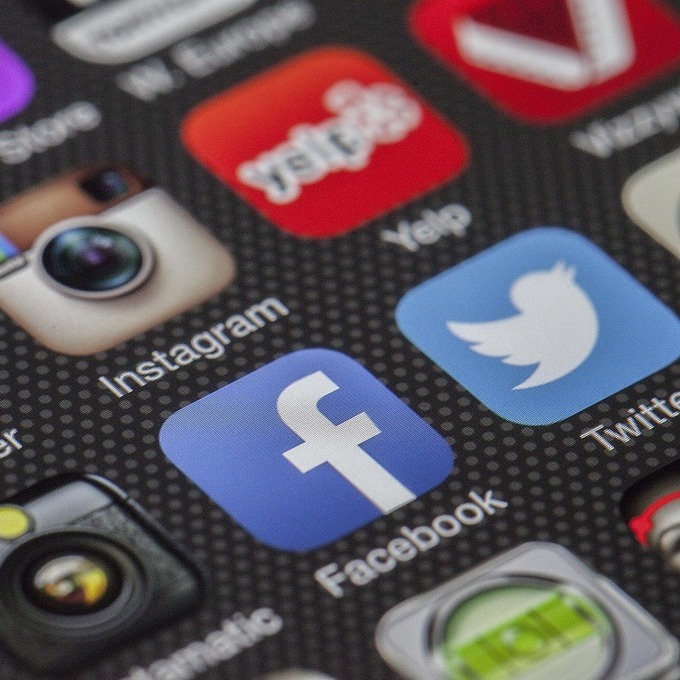
Being a LinkedIn content creator no longer means publishing frequently. It means appearing active and relevant when clients look. Likewise, an Instagram content creator app allows visual consistency without manual posting.
Clients are not searching for perfection. They are scanning for momentum.

Engagement as a Trust Signal
Visibility alone is insufficient. Clients notice interaction patterns.
Replies, comments, and small exchanges indicate responsiveness and reliability. Lightweight user engagement tools help freelancers understand which signals matter and where attention compounds.
Engagement does not need to be constant. It needs to be timely and intentional.
The Mistakes That Quietly Reduce Hireability
It’s not the tools alone that create the problem. Even the best tools can find many freelancers struggling to stay consistent.
Common issues include:
- Long periods of inactivity
- Over-automation without human context
- Content that sells without informing
These patterns introduce uncertainty. In a low-trust environment, uncertainty delays decisions.
Consistency Without Burnout
The freelancers who stay visible long-term design for low friction. At Munch Studio, tools that auto-schedule posts on social media let you maintain a presence even when busy. Planning monthly and reviewing engagement quarterly keeps effort low while maintaining strong surface-level signals.
Frequently Asked Questions
How often should freelancers be visible in 2026?
Once or twice a week is sufficient when activity is consistent and intentional.
Are AI tools required to get hired?
No, but AI tools for marketing significantly reduce the cost of consistency.
Which platforms influence hiring most?
Professional platforms, LinkedIn, and visual work-sharing networks dominate discovery.
Can automation damage credibility?
Only when it removes context or judgment. Light automation strengthens reliability.
Is a content calendar necessary?
Not required, but a social media content calendar removes friction and improves consistency.
Summary and Strategic Takeaways
Freelancer hiring in 2026 rewards predictability, clarity, and presence. The freelancers getting hired most often are not louder or busier. They are easier to evaluate and easier to trust.
Next steps:
- Design one visibility system you can sustain
- Separate structure from substance
- Use automation to protect focus
- Review signals quarterly, not daily
This is how low-effort systems produce disproportionate hiring outcomes.


 Vicky
Vicky
 Raksha
 ExpressVPN