
 Toggl
TogglWhether it’s changing client priorities, different time zones, or inflation-induced cost pressures, there are many reasons agency-freelancer relationships become strained.
The rise of freelancing continues to soar, with91% of companies utilizing freelancers today, and by 2027, 50% of the US workforce is expected to freelance full-time. So, there’s no time to sleep on freelancer management, as it remains essential for agency success.
We’ve found the key to a great agency-freelancer relationship is to create transparency, clear processes, and structure — something that time-tracking tools are tailor-made to deliver.
In this article, we’ll explore how agency time tracking, if done right, will increase your chances of successful freelancer outcomes without creating a micro-manage-y invasion of privacy.
TL;DR—Short on time? Here are the highlights
- The agency-freelancer relationship can often become strained, causing reduced disputes over billable hours that damage relationships and profitability.
- But, establish strong ways of working with freelancers, and you can benefit from better quality, enhanced client pricing, and confidence in project forecasts.
- Time tracking is a great way to do this, creating structure, routine, and valuable invoicing data for freelancers, while ensuring visibility, risk management, and accurate forecasting for agencies.
- To get the most from time tracking, pair a tool of your choice with clear guidance on how you’ll use time data, and incentivize use with simple workflows and ‘round-up’ tracking policies.
The common pain points of managing freelancers
The agency-freelancer relationship is a tricky one to manage.
As an agency, you rely on freelance talent to keep your clients happy, but you like things done a certain way. For freelancers, they’re juggling multiple different clients, trying to make ends meet while maintaining the freedom and autonomy the freelancer life promises.
Put these together, and you often get some pain points, including:
- Reduced visibility. At its worst, agencies can have zero visibility into a freelancer’s progress until the deliverable and invoice arrive. This creates tension, nervousness, and uncertainty, with agencies scrambling to schedule regular (often unnecessary) check-ins to wrestle back control.
- Scope creep. The natural distance between an agency and a freelancer often leads to scope creep, putting pressure on you to close the gaps without letting on to your client that there’s a problem.
- Freelancer fatigue. Many freelancers are great at absorbing little changes without making a fuss to try to keep you happy. Over time, this builds up, causing freelancers to face burnout and become disengaged. This is especially true for those doing remote work, with studies showing up to 86% have experienced burnout in their current position.
- Billable hour disputes. Add together the lack of visibility, scope creep, and small changes, and it can be difficult to accurately manage freelancer costs. Even on fixed-price work, disputes often arise between agencies and freelancers when work incurs more/less billable hours than planned.
- Unpredictable project costs. That lack of freelancer transparency can quickly erode your margins, leaving you scrambling to make a profit across your projects. In turn, this strains your client relationship as you inevitably have to pass the additional costs onto them.
The benefits of agency-freelancer clarity
Once you improve your agency-freelancer clarity, many other things start falling into place, including:
- Better deliverables. Freelancers that are clear on their scope and how much time they’re putting in deliver high-quality results. There are fewer last-minute changes, fewer revisions, more trust, and greater alignment on each project.
- Precise quoting. Once you have confidence in your freelancers costs, deliverables, and skill set, it gives you more confidence in your client quotes. This helps you become more competitive on pricing and gives everyone confidence in your margins.
- Resource optimization. When you’re clear on exactly what and how much each freelancer is doing, you can optimize other resources. Healthy utilization for most agencies sits between 75% and 90%, and freelancer clarity helps you stay in that sweet spot.
- Client trust. When your client asks, ‘What did freelancer X actually do this month?’ you’ll have the data to back it up. No more beating around the bush or smoke and mirrors, just clear time records that build transparency and trust and help you win new clients.
One of our Toggl customers put it better than we ever could as to why time-tracking is so important for freelancer and agency life:
“An agency is in the business of selling someone else’s time and then making a profit on it. You can’t sell someone else’s time efficiently if you don’t know what their time is in the first place. It boggles my mind that people fly blind in that way.” — Eli Rubel, Founder of ProfitLabs
Explained: What is time tracking, and how does it really help?
Time tracking is the process of recording and analyzing how you spend time on different tasks and activities. Even though it’s been around for a while (think key cards to clock in and out of the office), the rise of automatic digital time tracking empowers remote knowledge-based workers to manage their work (and time) in a better way.
This helps everyone:
- For employees (or freelancers), it creates structure, routine, and valuable data for accurate hourly rate invoicing.

- For employers (or agencies), it promotes visibility, highlights bottlenecks, and supports accurate forecasting for future performance.

Tools likeToggl Track make time tracking super easy. Whether it’s directly within the app or with our handy browser plugin, you can start timers with just one click, logging your time against the clients, projects, or tasks you need.
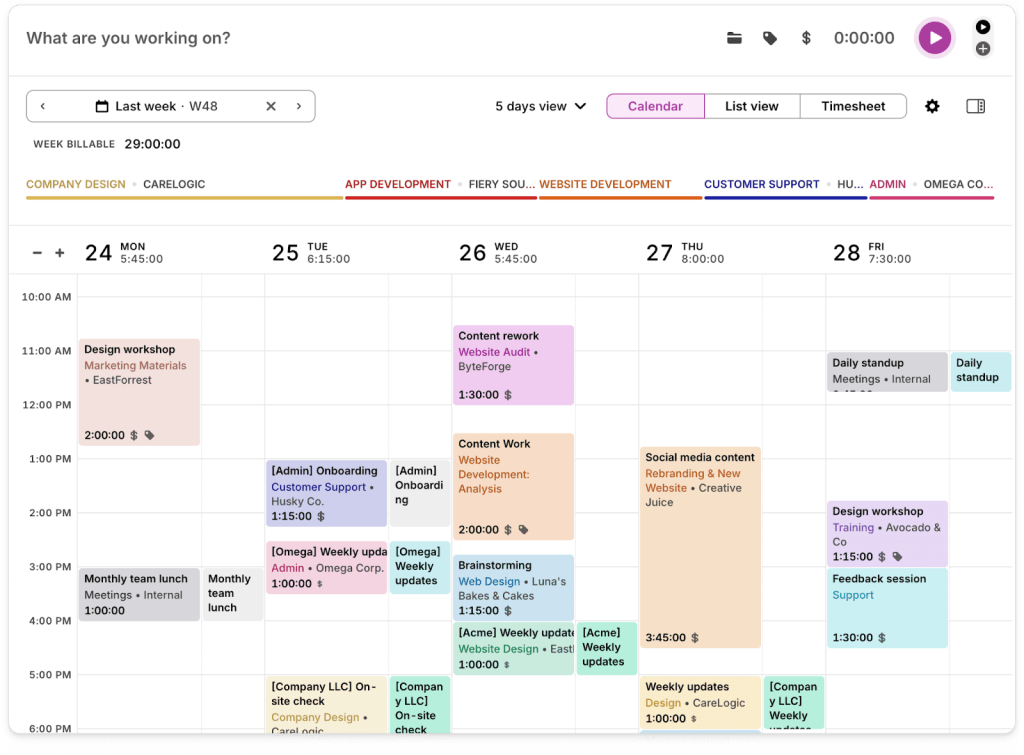
Once you have that accurate time-tracking data banked, the world really is your oyster. Analyze team utilization, track time and effort against project forecasts, and instantly turn your billable hours into client-ready invoices.
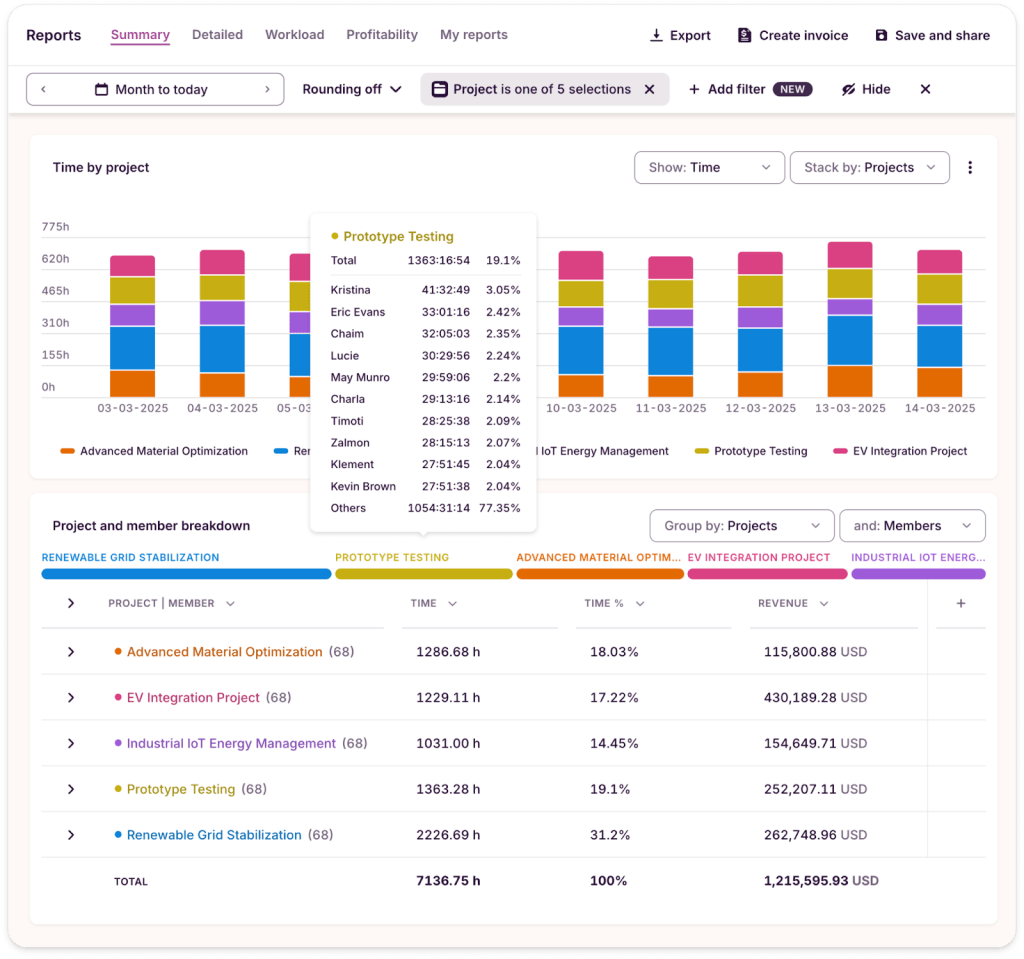
Better yet, couple time tracking with our core project management features, and you have an end-to-end solution for creating, managing, and collaborating on amazing client projects.
Extra tips to build stronger agency-freelancer relationships with time tracking
The historic problem with time tracking is that it can feel like micromanagement. But that’s only if it’s done in the wrong way. Here are some tips to help you unlock the benefits of time tracking without your team feeling anxious:
- Be clear on how you use the data. On the whole, people are happy to use time trackers if they know how the data is being used. During the onboarding process for freelance or full-time employees, be clear about why you’re using time-tracking, and ensure both parties benefit from putting in the work to log their time.
- Agree on a clear scope of work beforehand: For any agency-freelancer engagement, make sure you have a clear scope of work that defines the deliverables, milestones, timeframes, payment terms, and expected work hours upfront. With this in place, it’s easier for both sides to measure the progress of freelance work and spot when things aren’t quite right.
- Incorporate it into your workflows. Time-tracking has to fit into your broader agency/freelancer workflows, such as deliverable sign-off or invoicing. While ‘no timesheet, no invoice’ policies sound rigid, they actually set clear expectations all around, providing incentives for freelancers to get paid faster as well as opportunities to automate routine admin.
- The round-up rule. To avoid time tracking feeling like a ‘penny-pinching’ exercise, many adopt the round-up rule. Whether you work on 15, 30, or 60-minute intervals, having a round-up policy shows you’re not trying to scrimp but are seriously interested in accurate time data.
The bottom line: time-tracking is the secret sauce for better agency-freelancer relationships
Tracking time and visibility isn’t about control or micromanagement; it supports the agency-freelancer relationship by creating strong relationships, predictability, profitability, and data-driven processes.
Many agencies struggle to manage freelancers, becoming tired of scope creep, uncertainty, and unpredictable costs impacting project profitability. While some shy away from time-tracking, when done right, it actually improves deliverables, aligns expectations, and builds trust across clients, agencies, and freelancers.
With time tracking and project management tools like Toggl Track, managing freelance projects has never been easier. In just one click, you can track time against any client, project, or task, creating a wealth of valuable and accurate data to re-forecast and streamline projects, improve task management, and create client-ready invoice templates in seconds.
If you like the sound of that, you can sign up for free—no credit card required. Better yet, if you’re a team of 20+,our sales team is ready to show you all that Toggl has to offer with a bespoke system demo.


 Twine
Twine

 Raksha