
 Ben Hadley
In 2025, the digital nomad lifestyle continues to attract more and more professionals seeking flexibility and adventure. However, this freedom often comes with financial challenges. A significant 27% of former digital nomads cited financial stress as a primary reason for abandoning the lifestyle. While many digital nomads earn between $50,000 and $250,000 annually, there’s a bottom side to that coin, too: namely, 6% earn less than $25,000.
Managing finances across different countries adds complexity, including navigating various tax systems and dealing with fluctuating currencies. Without a solid financial strategy, the nomadic lifestyle can become unsustainable, a double-edged sword.
This guide offers eight practical finance tips ready for use by digital nomads and freelancers. Here are a few ways to harness clarity and control over your financial journey.
1. Establish a Realistic Budget
Start by tracking every dollar you earn and spend. Use budgeting tools like Xolo to get a clear picture of your cash flow, it’s easier to make smart decisions when you know where your money’s going. Factor in both fixed costs like software subscriptions and variable ones like travel and dining, which tend to shift depending on your location.
Source: The Nomad Almanac
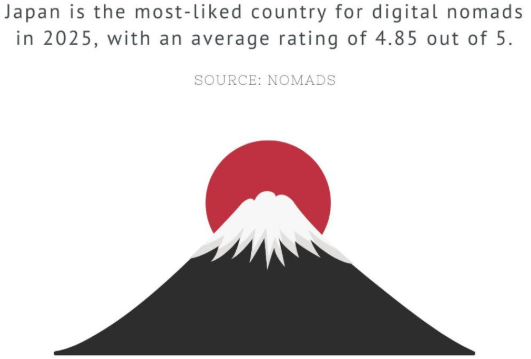
Which leads to the next point holding the essence of the nomadic lifestyle: before moving to a new city or country, check the local cost of living. Sites like Numbeo or Nomad List can help you compare expenses for rent, food, and transportation. Budgeting with actual location data keeps your spending grounded and helps avoid surprises that could derail your financial plan.
For example, living in the United States is far from cheap, especially in major cities. Take New York and San Francisco: housing expenses are notably high there. In Manhattan, the median rent for a one-bedroom apartment is approximately $4,471, reflecting the area’s premium living costs.
Similarly, in San Francisco, the average rent for a one-bedroom apartment is around $2,993 per month, significantly above the national average of $1,500 per month. These elevated rental prices underscore the importance of budgeting effectively to manage living expenses in these urban centers.
In contrast, several European cities offer more affordable living options for digital nomads. Cities like Bucharest, Romania, and Belgrade, Serbia, have cost-of-living indexes around 50% lower than Paris.
Southern European cities like Lisbon, Portugal, and Athens, Greece, are approximately 30% cheaper for day-to-day expenses than London. For instance, in Lisbon, Portugal, a one-bedroom apartment in the city center can be rented for approximately €1,500 per month, significantly lower than rental costs in major U.S. cities.
2. Diversify Income Streams
Relying on a single income source can leave you financially vulnerable. Diversifying your revenue streams not only spreads risk but also enhances financial stability.
Luckily, you can combine various income sources to support a mobile lifestyle, including freelancing, remote employment, online businesses, and passive income investments.
That said, if part of your work involves managing a mission-driven or nonprofit initiative, it’s just as important to understand the principles of nonprofit financial management to ensure sustainability alongside your personal income streams.
Let’s see how you can diversify your income streams.
Freelancing and Remote Work
Many digital nomads engage in freelance work or hold remote positions in fields like marketing, IT, design, writing, and e-commerce. According to recent data, 83% of digital nomads are self-employed, while 17% work remotely for companies. The most common professions among digital nomads, marketing, computer sciences/IT, design, writing, and e-commerce, collectively account for 51% of all reported digital nomad professions.

Source: A Brother Abroad
Online Businesses and Digital Products
Establishing online businesses, such as e-commerce stores or digital product sales, offers scalable income opportunities. Digital nomads often create and sell products like e-books, online courses, or software. For instance, some individuals generate income by selling digital products, and offering services like print product project management and planner design.
Passive Income Streams
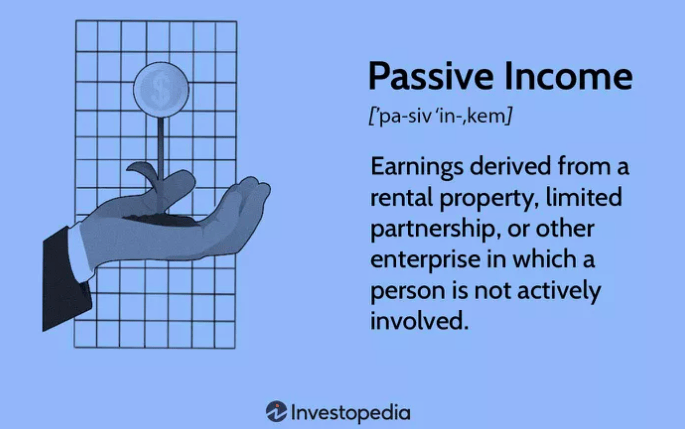
Integrating passive income streams can further stabilize your earnings (and by extension, your safety net). Investments in dividend-paying stocks, real estate, or peer-to-peer lending can provide regular income with minimal ongoing effort.
Additionally, digital nomads may earn passive income through affiliate marketing, where they receive commissions for promoting products or services. Platforms such as crowdfunding apps allow smaller investors to participate in real estate and other asset classes, diversifying income sources.
Source: Investopedia
3. Build and Maintain an Emergency Fund
Freelance income can be unpredictable, so your emergency fund is your financial safety net. A good rule of thumb is to accumulate at least three to six months of essential living expenses, enough to cover rent, food, insurance, and travel. Keep this money in a high-yield savings account that’s easy to access but separate from your daily spending. After all, you never know when work will dry up or the client will begin stalling.
Start small if you need to set aside a fixed amount after every client payment. Automate transfers to build the habit, and treat this fund as non-negotiable. According to Bankrate, only 44% of Americans could cover a $1,000 emergency with savings, so this step alone can set you apart.

Source: Bankrate
4. Plan for Taxes
Set aside a percentage of every payment you receive, 20% to 30% is a safe range, depending on your country’s tax rules. Open a separate account just for taxes so the money doesn’t get mixed with your daily budget. This makes quarterly payments easier and keeps you from scrambling during tax season.
If you work across borders, taxes can get complicated fast. For example, the U.S. taxes citizens no matter where they live, while countries like Portugal or Mexico base taxes on where you spend most of your time.
Some digital nomad visas, like Estonia’s or Croatia’s, let you legally stay and work for foreign clients without owing local income tax, as long as your income comes from outside the country. But stay too long without proper paperwork, and you could be seen as a tax resident, which comes with added filing and payment obligations.
That’s why a tax advisor with cross-border experience is worth the cost, they’ll help you avoid double taxation and missed deadlines. They can also guide you on structuring your business to minimize taxes legally, like registering as a sole proprietor or creating a limited company in a tax-friendly country.
You can find more guides on remote work taxes at Remployee – a platform helping freelancers and remote workers manage the administrative side of remote work.
5. Optimize Banking and Currency Exchange
Using a digital bank can help you avoid excessive fees when transferring money across borders. Choose banks like Revolut, N26, or Wise that offer low-cost currency exchange and charge minimal foreign transaction fees. These services also let you hold multiple currencies, making it easier to manage money while traveling and receiving payments from several sources.
To save on exchange rates, use multi-currency accounts instead of traditional banks when possible. They let you convert currencies at better rates, avoiding steep markups typically charged by banks. With these tools, you can keep your financial life flexible and streamlined, no matter where you’re working from.
6. Invest in Retirement Planning
As a freelancer, you don’t have an employer-sponsored retirement plan, but you can still build a solid nest egg. Consider opening an IRA (Individual Retirement Account) or a SEP IRA if you’re self-employed in the U.S., or similar retirement accounts, depending on your country. Contribute consistently, even if it’s a small amount, to take advantage of compound interest over time.
For digital nomads working across borders, look into international retirement options, like the Solo 401(k) for U.S. citizens or private pension plans available in countries like Estonia or Portugal. These plans can help you stay on track toward retirement while offering tax advantages. The earlier you start, the more financial freedom you’ll have in the future.
7. Use Financial Management Tools
Managing finances while juggling multiple clients and locations is easier with the right tools. Use a platform like Xero to track income, expenses, and invoices, which helps you stay organized and saves time. Xero can automatically categorize your transactions, reducing errors and simplifying your tax preparation, making your financial life much easier.
For budgeting, set up systems that allow you to monitor your spending in real time and set limits for different categories. Automating your financial tasks ensures you stay on top of deadlines, even when you’re working across multiple time zones. With tools like Xero, you can manage your finances efficiently, no matter where your work takes you.
8. Separate Personal and Business Finances
Separating your personal and business finances is crucial for staying organized and avoiding confusion during tax season. Open a dedicated business account to handle all income and expenses related to your freelance work or business. This makes it easier to track profits, manage cash flow, and ensure you’re setting aside enough for taxes.
A separate business account also helps you maintain a clear financial picture, which is especially important if you work with multiple clients or have irregular income. Using a distinct account simplifies tax reporting and can even make you appear more professional to potential clients and partners.
Wrap Up
Mastering your finances as a digital nomad or freelancer is essential to maintaining the freedom and flexibility that come with this lifestyle. By establishing a realistic budget, diversifying your income streams, and planning for taxes, you can manage the complexities of a mobile career with confidence.
It’s also important to build an emergency fund, optimize your banking and currency exchange strategies, and invest in retirement planning to secure long-term financial stability.
Ultimately, the key to thrive as a digital nomad is to stay organized and proactive. With the right tools, such as financial management software, and by separating your personal and business finances, you can simplify your financial tasks and avoid costly mistakes.

 Twine
Twine
 Vicky
Vicky
 Raksha