Raksha
Freelance video editing jobs turn up in three places: general freelance marketplaces, job boards built specifically for film and production work, and client messages that never get posted publicly at all. Checking only one of the three is usually why the work dries up. The fastest route to steady freelance video editing jobs is working all three at once, then narrowing to whichever ones actually send you paid work.
General marketplaces for freelance video editing jobs
These are the first stop for most editors, and the most competitive.
- Upwork lists more video editing jobs than any other general marketplace, though the service fee and bidding system mean you are competing on price as much as skill.
- Fiverr works differently: you list packaged services, a 60 second cut, a colour grade, a trailer edit, and clients buy directly, which suits editors who already know their own pricing.
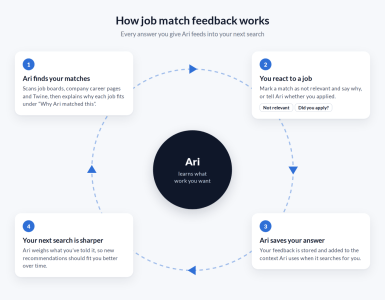
- Twine works differently from the bidding sites. Applications are vetted before a client sees them, which means you’re competing with fewer, more relevant editors rather than hundreds of low bids. Clients review your portfolio work, not just a CV. And Twine’s job assistant, Ari, scans project-based video jobs across the web and Twine and matches them to your portfolio, so you aren’t checking a dozen boards yourself.
- Freelancer.com runs on bids too, and the sheer volume of postings makes it a reasonable place to build a first portfolio of paid projects.
Job boards built for film and production work
Production-specific boards carry work that never reaches the general marketplaces, because many production companies only post where other crew are already watching.
- Mandy is built specifically for film and television production work, though the volume of postings means you are up against thousands of other editors on every listing.
- ProductionHub is one of the largest media production job sites online, used by studios and networks to find crew, and runs on paid plans from under five dollars to just over a hundred dollars a month.
- Stage 32 is a production networking platform with more than 500,000 members across film, television and theatre, with new production jobs posted daily.
- Media Match and Staff Me Up are smaller, crew-focused boards worth checking once the bigger three stop turning up fresh leads.
Where editors find work without a job board
A lot of freelance editing work never gets posted as a job at all.
- LinkedIn surfaces production and marketing roles through its job search, but it also works as a direct channel: posting finished edits, with client permission, gets you found by people hiring for similar work.
- Behance functions as a portfolio and a job board at once, with creative roles posted alongside the work that wins them.
- Production companies, agencies and in-house marketing teams often hire editors directly once they have seen one piece of finished work, so a short, specific outreach message with a single relevant sample usually does more than a general application.
How often to check each type of board
Checking every board every day is how editors burn out on the search itself. A simple rhythm works better: general marketplaces move fast enough to deserve a daily look, since new postings get buried within hours. Production boards like Mandy and ProductionHub move slower and reward a few focused sessions a week rather than constant refreshing. Communities and direct outreach are closer to background work: a comment here, a shared edit there, building toward the day someone remembers your name when a project comes up. Treat the three categories differently and the search stops feeling like a second job in itself.
What gets an application noticed on a crowded board
Mandy and ProductionHub both put hundreds of editors in front of the same client. The ones who get a reply tend to do three things: lead with a sample from a similar project rather than a general reel, state turnaround time upfront, and name the exact software and format the client asked for, Premiere Pro, DaVinci Resolve, 4K, vertical, rather than a general skills list. Knowing your rate before you apply helps too, since a vague answer to a budget question is one of the fastest ways to lose a reply.
Let a job assistant check the boards you do not have time for
No editor has time to refresh six job boards and a handful of production forums every morning. Ari, Twine’s job assistant, scans thousands of project-based jobs in real time, across the web, company career pages and Twine, and matches them to your portfolio or resume. You still choose what to apply for and write your own application. Setup takes about two minutes, and a free account gets three searches a week, with unlimited searches on Twine Pro.
Freelance video editing jobs are not short in supply, they are spread across more places than any one editor can watch alone. Check the general marketplaces for volume, the production boards for industry-specific work, and your own network for the jobs that never get posted at all, then let your job assistant like Ari carry the ones you would otherwise miss.


 Twine